


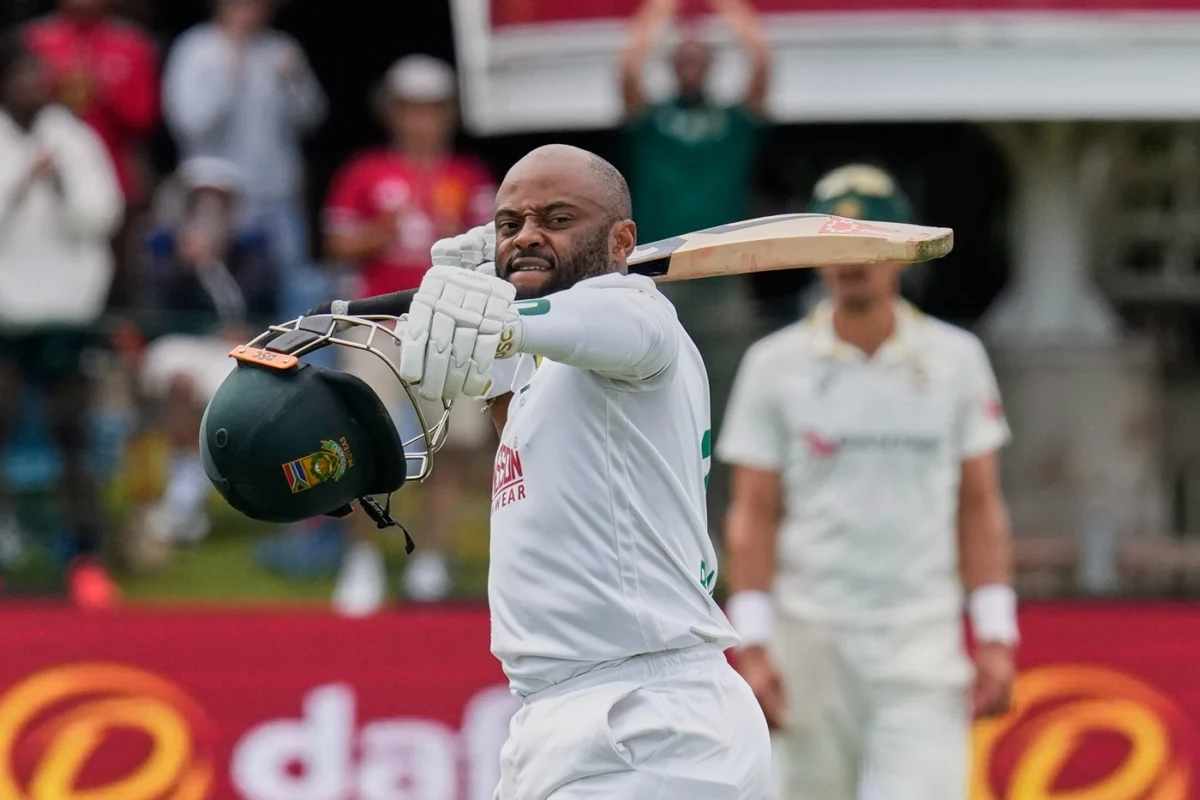
If South Africa ever needed a stark reminder of the intense scrutiny, unrelenting pressure, and heavy expectations that accompany the title of World Test Champions, their fiercely contested series against Australia has provided it in full measure. Having previously drawn an away series in Pakistan and achieved a historic triumph in India during their opening assignments following their momentous World Test Championship victory at Lord’s last year, the Proteas found themselves pitted against their closest challengers and the number-one-ranked Test side in the world.
Following a disappointing opening defeat in Durban that exposed lingering vulnerabilities, South Africa delivered a stunning and emphatic response in the second Test at St George’s Park in Gqeberha. By securing a comprehensive victory by an innings and 31 runs, they not only leveled the series 1-1 but also demonstrated precisely what it takes to live up to their billing as the premier red-ball team on the global stage.
The turnaround in Gqeberha was nothing short of remarkable. Finding themselves in early trouble at 110 for 6 in their first innings, South Africa mounted a sensational recovery to amass a formidable total of 425 for 9 before having the luxury of declaring. They then proceeded to dismantle the formidable Australian batting lineup, bowling them out for a paltry 99 in their first innings and enforcing the follow-on for only the third time in nearly forty years. They ultimately finished the job by knocking over the visitors a second time, leaving no doubt about their commitment, resilience, and serious aspirations in the purest format of the game.
Reflecting on the dramatic shift in momentum and the fierce external commentary that followed their opening loss, South Africa captain Temba Bavuma offered a candid assessment of life at the top during the post-match press conference.
"Sometimes as a team we forget that the target is on our back and everyone wants to have a go at us," Bavuma said. "Everyone wants us to show our mettle as the current world champions, and everything that we do is under the microscope. Our performance in Durban was a realisation of that, but also a realisation of what it means coming up against super strong opposition."
The contrasting fortunes between the first and second Tests highlighted the steep learning curve South Africa faced heading into the home summer. Last week’s Kingsmead Test in Durban marked the Proteas’ first red-ball appearance at home in 19 months, following their New Year’s Test fixture in 2025 and their first long-form match in almost a full calendar year. Hampered by a lack of recent red-ball continuity, they entered the contest without their premier pace spearhead, Kagiso Rabada, who was sidelined and working his way back from a troublesome hamstring injury.
Placing their faith in a batting line-up that had not played together in that specific configuration for a prolonged period, the team appeared distinctly undercooked. At the time, Bavuma openly described the competitive environment as a level of intensity that the players simply were not accustomed to, noting that there were metaphorical "cobwebs" that needed dusting off after their long hiatus from home soil.
Seeking an immediate and decisive response ahead of the second Test, the team management made bold changes to the top seven. They opted to drop two players who had played instrumental roles in their successful World Test Championship campaign, Tristan Stubbs and Kyle Verreynne. Furthermore, they made the difficult decision to leave out left-arm spinner Keshav Maharaj, who stands as their most successful slow bowler since readmission to international cricket.
The most significant boost to the XI, however, was the return of Rabada, whose presence fundamentally alters the dynamic of the South African bowling attack.
"He’s massive value," Bavuma said of his pace spearhead. "When he’s on the field, he assumes that responsibility and pressure of leading the attack and I believe it allows everyone else to kind of go about and do what they need to do. A guy like Marco [Jansen] in the first innings, him taking a five-for. And then in the second innings, Wiaan Mulder with crucial wickets. That’s what a leader does. KG is not a big guy in terms of speeches. He’ll speak whenever he sees fit. But with the figure that he is, you know, he is inspiring in a lot of ways."
Beyond his undeniable skill and wicket-taking ability, Rabada brings an intangible element of competitive fire that transforms South Africa. He shifts their identity from a polite, competent side into fierce, unyielding opponents who refuse to give an inch to the opposition. Rabada wasted no time making his presence felt, engaging in verbal exchanges with his longtime on-field adversary, Australian batting mainstay Steven Smith, and inspiring a much more forceful and assertive approach from the entire South African unit.
While the hosts did not necessarily harbor a deliberate game plan to be overly antagonistic or in the faces of the Australian batsmen, a noticeable and calculated gear shift occurred at St George’s Park. Bavuma readily acknowledged this evolution in their team mindset, emphasizing that aggression in Test cricket does not inherently require verbal sparring or manufactured confrontation.
"Part of it is being aggressive in situations, not necessarily having to have a word with opposition or look for fights, but be aggressive in how we approach it: play for the team and be ruthless in doing so," Bavuma explained. "There’s obviously certain individuals within the team who enjoy a little argy-bargy and you allow those guys to go about doing that within the rules."
The encounter carried echoes of past hostilities, most notably an incident from eight years prior when Rabada famously brushed shoulders with Smith and subsequently screamed in his face upon dismissing him. This time around, however, the interaction remained strictly within the bounds of competitive intensity, culminating simply in unbridled celebrations among his teammates when Smith was once again dismissed in the second innings.
While Rabada’s impact was undeniable, the victory was built upon collective contributions across the entire squad. All-rounder Marco Jansen delivered a standout performance that earned him recognition as the hardest-working player during the post-presentation ceremonies, complementing his stellar five-wicket haul in the first innings. Similarly, Wiaan Mulder proved exceptionally effective as a reliable medium-pace option, justifying the immense faith and backing shown to him by the senior leadership group.
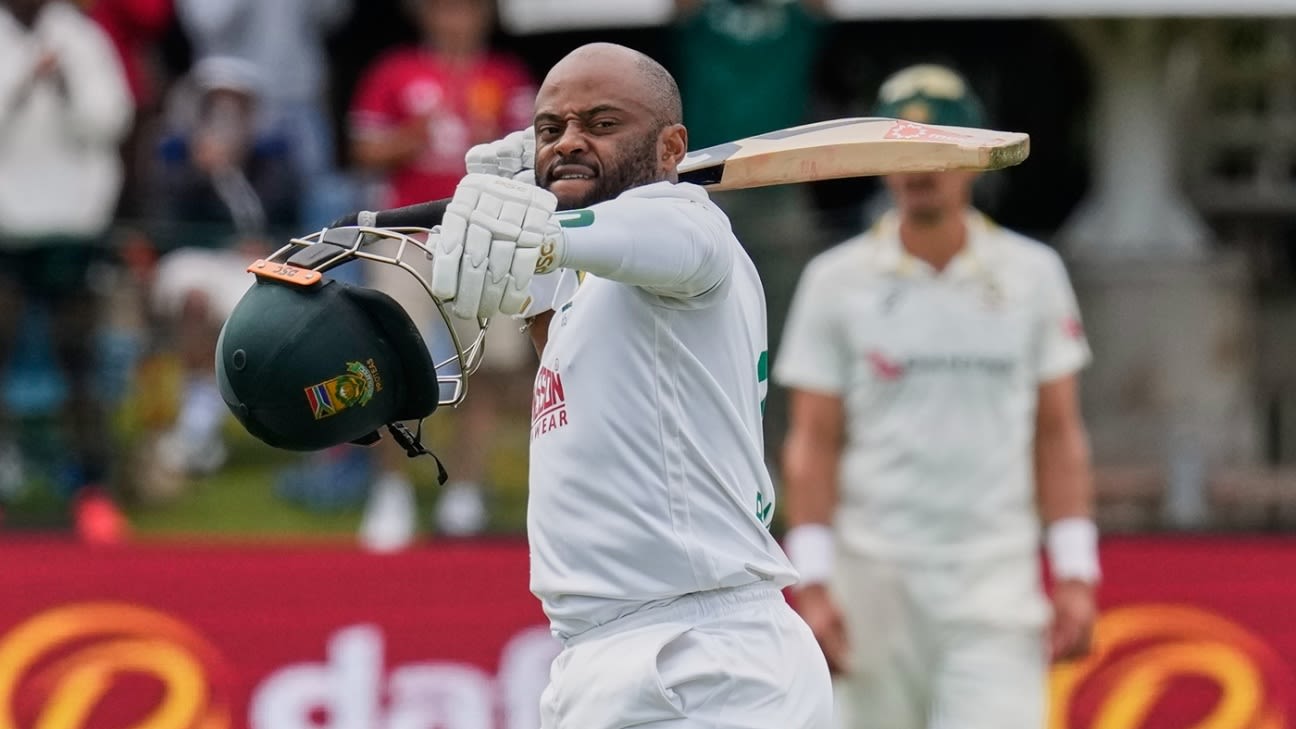
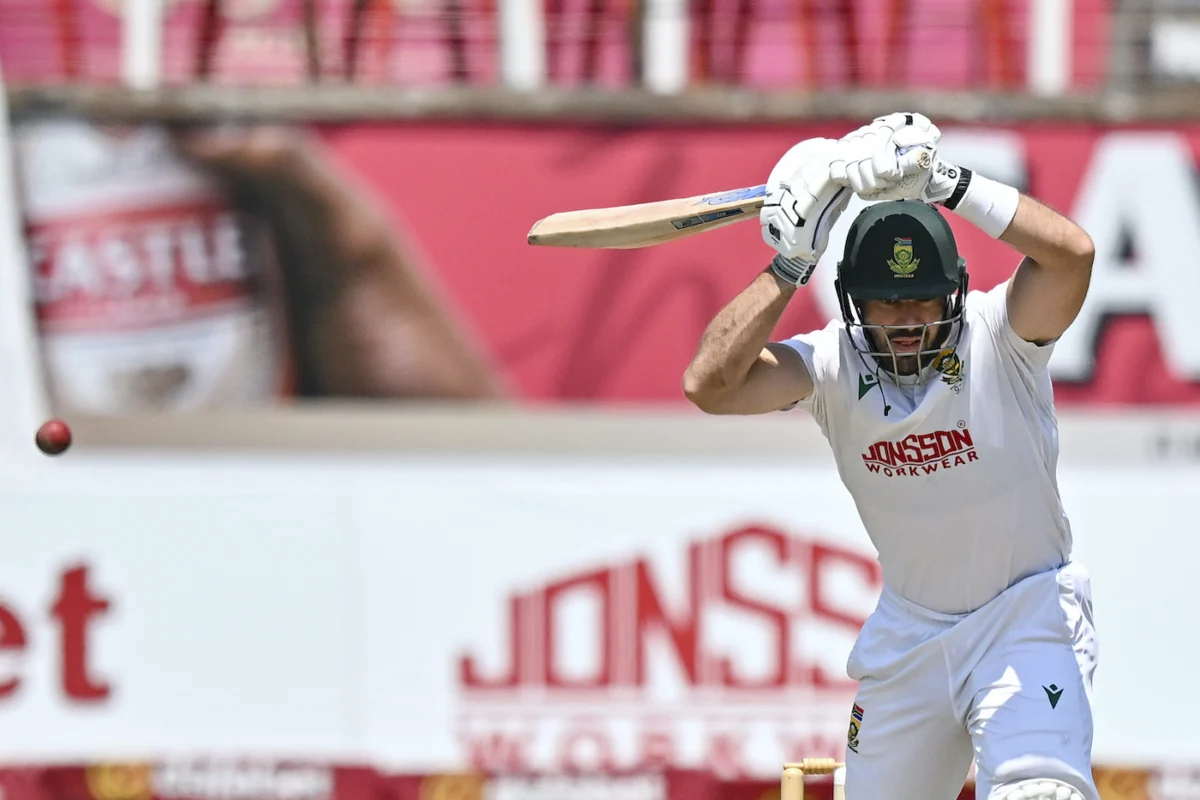
At the heart of the historic victory, however, was a magnificent individual milestone achieved by the captain himself. Bavuma constructed a career-best innings, showcasing remarkable mental fortitude and technical discipline to bounce back from low scores of 3 and 1 in the opening Test at Durban to scale the heights of 179 runs in Gqeberha. True to his word from the aftermath of the previous match—when he openly stated that he needed to scrutinize his own contributions—Bavuma engaged in a rigorous and honest self-assessment during the intervening days.
"When you’re there alone in your room, you can’t kind of lie to yourself. You analyse your batting innings. You look at it from a technical point of view, if there’s anything that sticks out. From a mental point of view, you tune yourself to making sure that you’re ready for battle. You’re out to compete," Bavuma reflected. "And if the opportunity is there, you want to make the play for the team. For me, it was a lot of that from a mental point of view. I spent the time in the nets as well to try and find something, some sort of a rhythm or feeling that I was confident that I could go into the game with."
A primary focus for the captain was adjusting the collective mentality that he believes contributed heavily to South Africa’s sub-par showing and subsequent defeat in Durban. Armed with the reassurance that his team possesses the quality, talent, and pedigree befitting their status as reigning world champions, Bavuma believes they have rediscovered their true competitive identity. Having successfully corrected their course in Gqeberha, the Proteas now turn their complete attention toward carrying this renewed momentum into the series decider in Cape Town, which is scheduled to get underway next Tuesday.
"From a pride point of view, from a belief point of view, we’ve definitely strengthened that by being able to perform like this," Bavuma concluded. "From a pressure point of view and an expectation point of view, that’s probably going to keep increasing for us—it’s just to keep embracing that and keep going towards the pressure rather than kind of allowing it to hit us in the face."

Comments (0)