


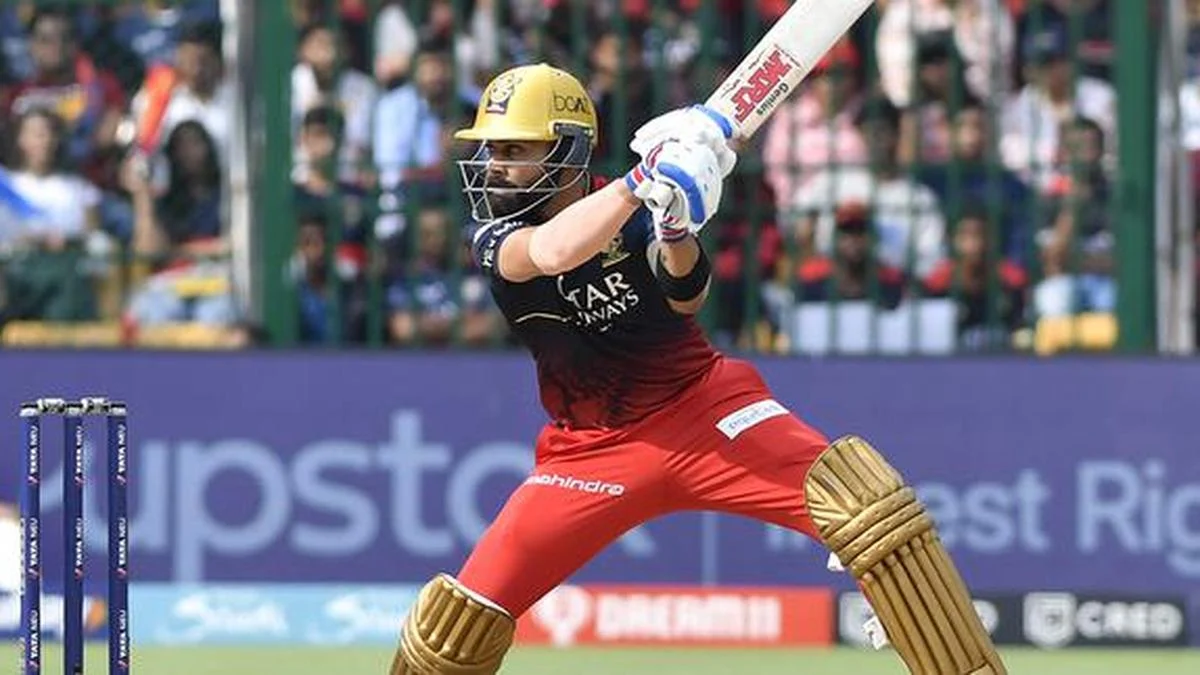
The Indian Premier League (IPL) has continuously captured the collective imagination of cricket enthusiasts in India and across the globe, establishing itself as the premier domestic T20 tournament in the sporting world. Featuring the finest cricketing talent from across the globe—barring Pakistan—and driven by the high-risk, high-reward nature of the shortest format of the game, the annual summer extravaganza continues to break new ground in popularity, commercial success, and athletic performance.
As teams have grown more accustomed to the rhythmic demands of T20 cricket, a format that inherently tilts the scales in favor of batsmen, and aided by innovative rule changes introduced by the tournament organizers, batting strike rates across the Indian Premier League reached an unprecedented peak during the 2023 season. Analyzing the data from the first 40 matches played ahead of April 30, 2023, paints a striking picture of this offensive revolution. During this stretch, an astonishing 13,994 runs were scored across 1,568 overs, translating to an overall run rate of 8.92 runs per over. This figure stands as the highest recorded run rate in the 16-year history of the tournament, comfortably shattering the previous benchmark of 8.44 runs per over set during the preceding 2022 season.
A significant catalyst behind this dramatic surge in scoring is the introduction and strategic implementation of the "Impact Player" rule. This tactical innovation allows teams to field an additional specialist batsman or bowler as a one-time tactical replacement during the course of a match. Consequently, franchises have been able to optimize the situational use of batsmen deeper down the batting order, emboldening players to take calculated risks without the traditional fear of leaving their side short of resources.
By its very design, T20 cricket encourages a high-octane, aggressive approach from batters. With the match restricted to just 20 overs per side—compared to 50 overs in traditional One Day Internationals—and a full complement of 11 batsmen remaining intact in the lineup, the relative risk of losing wickets while attempting high-risk, boundary-clearing strokes is considerably lower than in longer formats. Shorter boundary dimensions and generally batting-friendly pitch preparations have further tilted the balance heavily in favor of the willow over the red or white ball.
Over the course of multiple seasons, IPL franchises have aggressively recruited and deployed specialized "power hitters" to exploit these exact structural dynamics. Simultaneously, the nature of bowling has undergone a profound transformation. Containment has risen to parity with wicket-taking as an absolute imperative for modern bowlers. Because modern bowling strategies are increasingly defensive, aimed at restricting runs rather than purely hunting for dismissals, specialized "impact batters" wield disproportionate influence over matches, creating fertile ground for high-risk stroke play and an influx of boundaries.
Spectators, however, have embraced this shift wholeheartedly. The relentless onslaught of aggressive batting has further cemented the tournament’s cultural footprint while serving as a massive financial engine for the franchise owners and the Board of Control for Cricket in India (BCCI).

Statistical metrics from the 2023 season highlight this boundary-hitting frenzy. Up to the end of April, matches witnessed an average of 43.35 boundaries per game, which included an extraordinary 15.55 sixes per match. Furthermore, maximums accounted for 35.9 percent of all boundaries scored, marking the highest proportion recorded in any single season of the league. Historical tournament data reveals a near-uniform upward progression in boundary-scoring rates across the years, with the sole notable anomaly occurring during the 2009 season. That particular edition was hosted in South Africa, a jurisdiction traditionally characterized by pitches offering greater assistance to fast and spin bowlers alike.
Individual performances mirrored this collective surge in aggression. South African veteran Faf du Plessis, representing Royal Challengers Bangalore, surged to the top of the batting charts by hitting the most sixes, numbering 27, in the 2023 edition. Among batsmen who faced a minimum of 100 deliveries, West Indian powerhouse Nicholas Pooran, turning out for the Lucknow Super Giants, registered the highest strike rate at an astonishing 194.59.
While modern hitters continue to push the boundaries of scoring efficiency, Chris Gayle’s legendary career record of 357 overall sixes across 141 innings remains a towering monument that will likely take considerable time to surpass. Among active players, only a select group of stalwarts have managed to clear the ropes more than 200 times in the tournament. Rohit Sharma of the Mumbai Indians leads this elite active group with 250 career sixes, followed closely by Chennai Super Kings legend M.S. Dhoni with 237, Royal Challengers Bangalore talisman Virat Kohli with 229, and Delhi Capitals opener David Warner with 217.
Adding to the West Indian dominance in power-hitting metrics, Gayle’s compatriot Andre Russell of the Kolkata Knight Riders held a formidable career strike rate of 175.42, closely followed by Punjab Kings’ explosive English recruit, Liam Livingstone, who maintained a strike rate of 162.92.
The widespread tactical and technical revolution in T20 power-hitting has predictably influenced other formats as well. The overall scoring rate in One Day Internationals has experienced a noticeable upward drift over recent years. Nevertheless, the traditional 50-over game maintains a distinct identity, with overall run rates—such as the 5.31 recorded globally in 2023—remaining notably lower than the blistering pace set by the modern Indian Premier League.


Comments (0)