


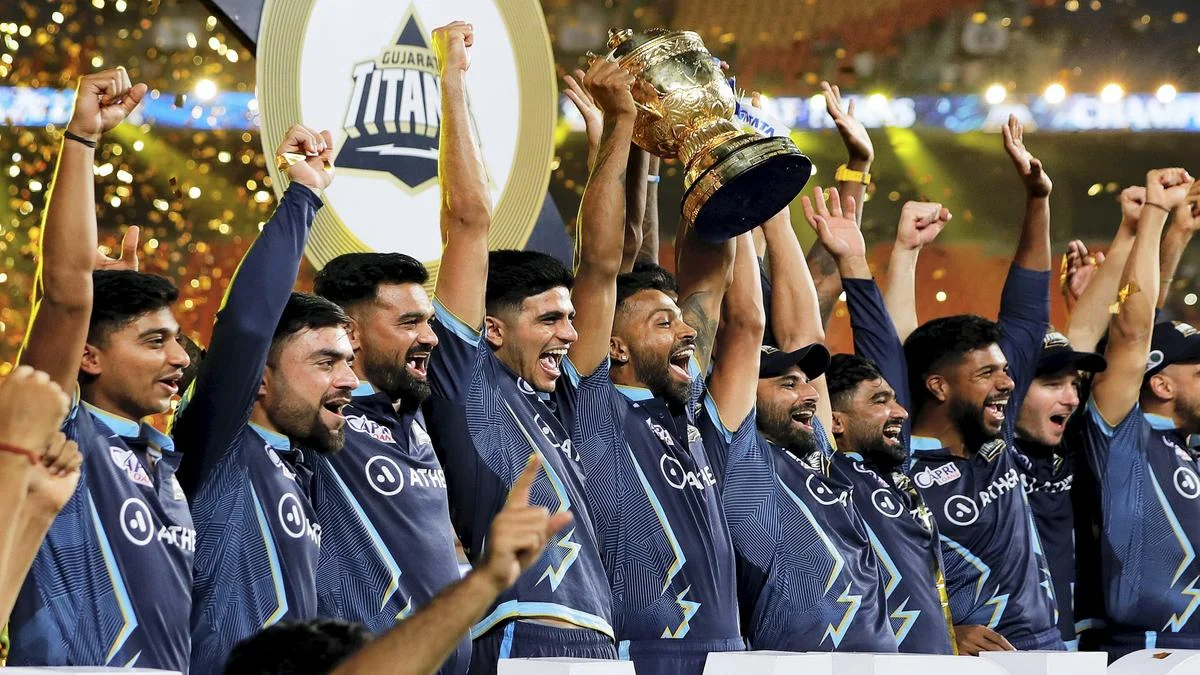
As fireworks brilliantly lit up the Ahmedabad night sky and vibrant confetti rained down upon captain Hardik Pandya and his jubilant Gujarat Titans teammates, another monumental edition of the Indian Premier League (IPL) came to a glitzy, high-energy end on Sunday night. The conclusion followed two months of breakneck, exhilarating T20 action that captured the imagination of cricket enthusiasts around the globe and reaffirmed the tournament’s status as the premier domestic league in world cricket.
More than 100,000 roaring fans thronged the magnificent Narendra Modi Stadium, creating an electric atmosphere rarely witnessed in modern sport. Inside this cauldron of noise and passion, Gujarat capped off a fairytale first season in the tournament by decisively outplaying the 2008 inaugural champions, the Rajasthan Royals, in a tense yet thoroughly controlled low-scoring final. The sheer scale of the crowd and the magnitude of the celebration underscored just how deeply the tournament is woven into the cultural fabric of Indian sports fans.
Reflecting on the emotional resonance of a tournament successfully brought back to home soil, Board of Control for Cricket in India (BCCI) secretary Jay Shah took to social media to share his enthusiasm. "This has been a truly memorable season with our fans back in the stadium, celebrating every moment," Jay Shah tweeted, capturing the sentiment of millions who had missed the visceral energy of live stadium crowds during the preceding pandemic-disrupted years.
The path to this grand finale in Ahmedabad had been fraught with logistical challenges and cautious planning. India’s severe and prolonged struggles to contain the COVID-19 pandemic in previous years had forced the league’s organizers to drastically alter their operational blueprints. Most notably, the entire 2000-plus-run machinery of the 2020 edition of the tournament had to be shifted entirely to the United Arab Emirates (UAE) to safeguard players and support staff. The UAE was once again called upon to host the demanding second half of the previous year’s tournament when a wave of infections breached bio-bubbles mid-season in India.
Determined to host the 2022 edition safely within the country while mitigating lingering health risks, the BCCI devised a localized strategy. This year, the entire league phase was strictly restricted to the western state of Maharashtra. By confining matches to venues across Mumbai, Pune, and Navi Mumbai, organizers successfully avoided extensive domestic air travel and minimized potential infection risks. Even so, the shadow of the virus could not be entirely banished; the Delhi Capitals notably reported COVID-19 cases within their camp during the campaign. Yet, thanks to rigorous testing, prompt isolation protocols, and resilient management, the tournament chugged along steadily without facing major interruptions, a testament to the robust operational framework built by the board.
A Season of Surprises and Paradigm Shifts
Beyond the logistical triumph, the 2022 season will long be remembered as a year of profound surprises that completely upended traditional power dynamics and kept fans hooked from the opening match to the final delivery. For over a decade, the narrative of the IPL had been largely dictated by a few heavyweight franchises possessing immense fanbases and rich histories of success. However, the dynamics of the expanded ten-team tournament heralded a dramatic changing of the guard.

Two of the league’s most successful, historically dominant, and fiercely supported franchises—the Mumbai Indians and the Chennai Super Kings, which boast a combined total of nine championship titles between them—found themselves uncharacteristically floundering at the very bottom of the points table. Their collective struggles opened the door for new blood to seize the spotlight and redefine competitive excellence in the world’s richest Twenty20 league.
Stepping into that vacuum were the two new franchises added to the roster for the expanded 2022 cycle: the Gujarat Titans and the Lucknow Super Giants. While expansion teams historically take several seasons to find their footing and gel into cohesive units, both newcomers immediately made a mockery of those expectations. Lucknow put together a stellar campaign, securing a coveted playoff spot in their absolute debut season and displaying a brand of fearless cricket that resonated with their growing fanbase.
Gujarat, meanwhile, went a step further. Under the shrewd tactical guidance of head coach Ashish Nehra and the inspirational, all-round leadership of Hardik Pandya, the Titans assembled a squad characterized by resilience, depth, and a knack for winning clutch moments. Their journey from a newly assembled draft-and-auction franchise to lifting the gleaming championship trophy in front of their home crowd stands as one of the most remarkable debut campaigns in the history of franchise sports.
The success of the expanded format extended far beyond the field. The tournament’s playoff matches were strategically shared between Kolkata and Ahmedabad, with the latter hosting the summit clash. The massive, record-breaking turnout for the final was a definitive testament to the unwavering, ever-expanding appeal of the world’s richest Twenty20 league. Even after fourteen years of relentless action, the appetite for high-stakes domestic T20 cricket in India remains utterly insatiable.
All of these remarkable developments augur exceptionally well for the BCCI, which finds itself in an immensely powerful commercial position. Capitalizing on the unprecedented success, high television ratings, and massive stadium attendances of the 2022 season, the board has already initiated the formal process to sell the league’s lucrative media rights for the upcoming 2023–2027 broadcast and digital cycle. Industry sources have estimated that this upcoming rights auction could fetch a staggering $6.7 billion, cementing the tournament’s financial superpower status and ensuring that the Indian Premier League will continue to shape the global cricket economy for years to come.


Comments (0)