


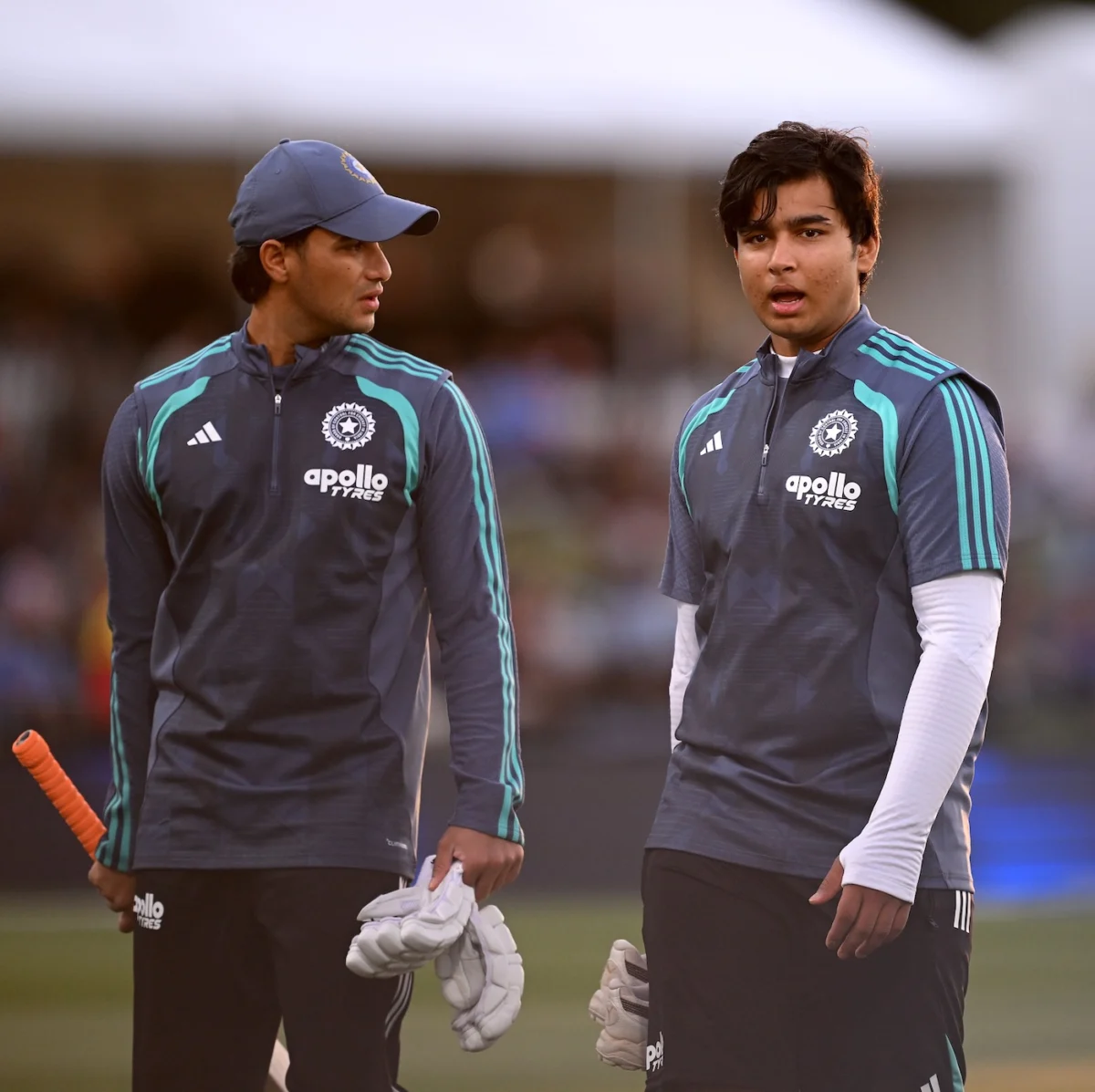
The rivalry between India and New Zealand has evolved dramatically over the past few years, transforming from a stark illustration of contrasting philosophies into a high-stakes battle between two closely matched powerhouses. When these two sides first met after the onset of the Covid-19 pandemic during a group stage encounter at the 2021 T20 World Cup, the match exposed severe structural flaws in India’s conservative approach to the shortest format of the game. That sobering defeat forced a sweeping internal reckoning within Indian cricket. In the years since, India have revolutionized their strategy, secured back-to-back world titles, and constructed an imposing 13-2 win-loss record against the Black Caps.
Yet, the recent series-opener at Hagley Oval served as a timely reminder that the historical head-to-head record does not fully capture the narrow margins separating these teams on any given evening. Thursday’s match unfolded as a breathless slugfest that ultimately finished as a thriller. For a significant portion of the chase, India threatened to turn the contest into a routine demonstration of their dominance. Powered by a blistering opening stand from Sanju Samson and Abhishek Sharma, India raced to 93 for no loss inside the sixth over while pursuing a daunting target of 226.
While a man-for-man comparison often highlights the comparable depth of both squads, New Zealand frequently lack top-order batsmen who possess the stratospheric ceiling of India’s elite hitters, with the explosive Finn Allen standing as a notable exception. Despite this discrepancy in sheer firepower, and despite the inherent disadvantage of a heavy dew that typically eases conditions for the side batting second, New Zealand demonstrated their trademark resilience. They clawed their way back into the contest, making life exceptionally difficult for the visitors and leaving themselves with every right to feel they might have snatched a victory had they capitalized on a couple of missed fielding opportunities.
This spirited fightback underscored just how competitive the landscape remains between the two nations. Without the services of talismanic figures like Jasprit Bumrah and Hardik Pandya, India present a significantly less formidable defensive front. Furthermore, their middle order continues to search for stability following the leadership transition that occurred in the wake of the most recent T20 World Cup—a vulnerability recently exposed when the West Indies managed to grind out a drawn series in India earlier in the month. Armed with home-field advantage and familiar conditions, New Zealand firmly believe they are more than capable of turning the tables as the series progresses, setting the stage for another explosive encounter on Saturday.
The overall form guide reflects these fluctuating fortunes. New Zealand enter the weekend fixture looking to reverse a sequence of results that shows four losses and just one win in their last five completed T20 internationals. India, meanwhile, present a more balanced recent run, alternating between wins and losses in their last five outings to yield a mixed WLWLW form profile that highlights their ongoing transitional phase.
As both teams prepare for the second clash, attention naturally turns to key individual performances and tactical adjustments. Daryl Mitchell has established himself as a thorn in India’s side across other formats, most notably in One-Day Internationals, but his role in the T20 setup has occasionally sparked debate regarding his fluency. Batting at number three during Thursday’s series-opener, Mitchell signaled his intent by striking his very first delivery for a maximum, yet he struggled to maintain a consistent rhythm thereafter. Reprieved after being dropped on 16 from 12 balls, he eventually departed for 28 runs off 19 deliveries. While a respectable contribution in isolation, it proved slightly out of step with the frantic scoring rate required in a match where India successfully chased down 226. Mitchell has built a distinguished career out of silencing his critics, and his tactical approach for the remainder of the series will be closely monitored.
For India, forced personnel changes will thrust a prodigious young talent back into the spotlight. Ishan Kishan has been officially ruled out of Saturday’s match due to a groin strain, opening the door for Vaibhav Sooryavanshi to re-enter the playing XI. Sooryavanshi missed out on selection during the recent series against the West Indies and was left watching from the sidelines during Thursday’s opener at Hagley Oval. The teenager’s inclusion highlights his immense reputation within the domestic circuit; despite having only showcased his capabilities in fleeting glimpses across eight T20 internationals, he boasts an impressive average of 30.75 accompanied by a striking strike rate of 186.36. To bolster the squad’s depth in the wake of Kishan’s injury, his Jharkhand domestic teammate Kumar Kushagra has been flown in as direct cover for the second fixture.
The absence of Kishan will likely trigger a ripple effect in India’s batting order, with Sooryavanshi expected to step up and open the innings alongside Abhishek Sharma. This adjustment would see Sanju Samson drop down to number three, replicating the preferred top-order configuration utilized whenever this specific combination has taken the field. However, this deployment carries a distinct tactical risk, potentially exposing India to New Zealand’s clever spin options. The Black Caps could elect to introduce the off-spin of Michael Bracewell or Glenn Phillips early in the powerplay, a specific match-up vulnerability that has troubled India on previous occasions, most notably during the first half of the T20 World Cup earlier this year.
Aside from the enforced change at the top, the rest of India’s lineup is expected to remain stable. Axar Patel is anticipated to maintain a flexible, floating role within the batting order, ready to be promoted if the situation demands a left-handed onslaught against middle-overs spin. The probable Indian XI features Abhishek Sharma and Vaibhav Sooryavanshi opening, followed by Sanju Samson at three, captain Shreyas Iyer at four, and Tilak Varma at five. Naman Dhir and Nitish Kumar Reddy round out the middle order, with Axar Patel providing all-round balance ahead of a bowling attack anchored by Bhuvneshwar Kumar, Arshdeep Singh, and Mayank Yadav.
New Zealand, meanwhile, have little reason to panic despite failing to defend a target of 225. Their ability to drag the first T20I into the final over under challenging bowling conditions—magnified by the onset of dew—demonstrated both character and batting depth. Team management faces no pressing need to make unforced alterations to a settled squad so early in the bilateral schedule. The likely New Zealand side is expected to retain Finn Allen and Tim Seifert at the top, followed by Daryl Mitchell, Glenn Phillips, Bevon Jacobs, and Michael Bracewell. Captain Mitchell Santner will anchor the lower order alongside Nathan Smith, Matt Henry, Adam Milne, and Lockie Ferguson.
Environmental factors will once again dictate strategic decisions on matchday. Given the scheduled 8pm starts, the evening dew is projected to exert a heavy influence on the contest in Christchurch, making it all but certain that whichever captain wins the toss will elect to bowl first in an effort to avoid bowling with a slippery ball in the second innings. One potential silver lining for the team forced to bat first is that Saturday’s encounter will be played on the exact same pitch used on Thursday, raising the possibility of variable bounce and increased wear and tear as the game progresses. Weather forecasts promise a clear, sun-drenched day in Christchurch, though temperatures are expected to plunge into the early teens by the time the first ball is bowled.

Comments (0)