


The decision came just days after England suffered an 87-run defeat at the hands of Pakistan at the same venue on Tuesday, a match in which Rashid registered figures of 1 for 55 from his eight overs. That fixture marked his return to international 50-over cricket after he was forced to miss September’s three-match ODI series against Sri Lanka due to a hand injury. Rather than offering him a sustained run to regain full rhythm following his layoff, the England team management chose to make a bold alteration to their bowling attack, bringing in Dawson for his first appearance of the series.
Rashid’s omission is a significant talking point in the context of English limited-overs cricket. As one of the most experienced ODI players in the country, Rashid sits comfortably as England’s second-highest wicket-taker in the format’s history, trailing only legendary fast bowler James Anderson. His absence from the starting eleven raised immediate questions among pundits and supporters alike, particularly given his proven record on the international stage and his status as a premier wicket-taking option in the middle overs.
Former England captain Nasser Hussain, speaking as an analyst on Sky Sports, offered insight into the possible rationale behind the selection, pointing to the conditions and the specific manner in which opposition bowlers had succeeded on the pitch earlier in the week. Hussain suggested that the decision was directly influenced by the success Pakistan’s left-arm spinner, Arafat Minhas, enjoyed during Tuesday night’s match.
Hussain noted that he initially expected Rashid to play to secure a consistent run of games, but understood the tactical shift after observing how the pitch behaved. According to Hussain, the surface rewarded bowlers who drove the ball into the surface. He pointed out that deliveries pitched fuller—whether from seamers or spinners—tended to be punished by the batters, whereas Dawson’s style of bowling into the pitch offered better control alongside the added benefit of strengthening the lower-order batting lineup.
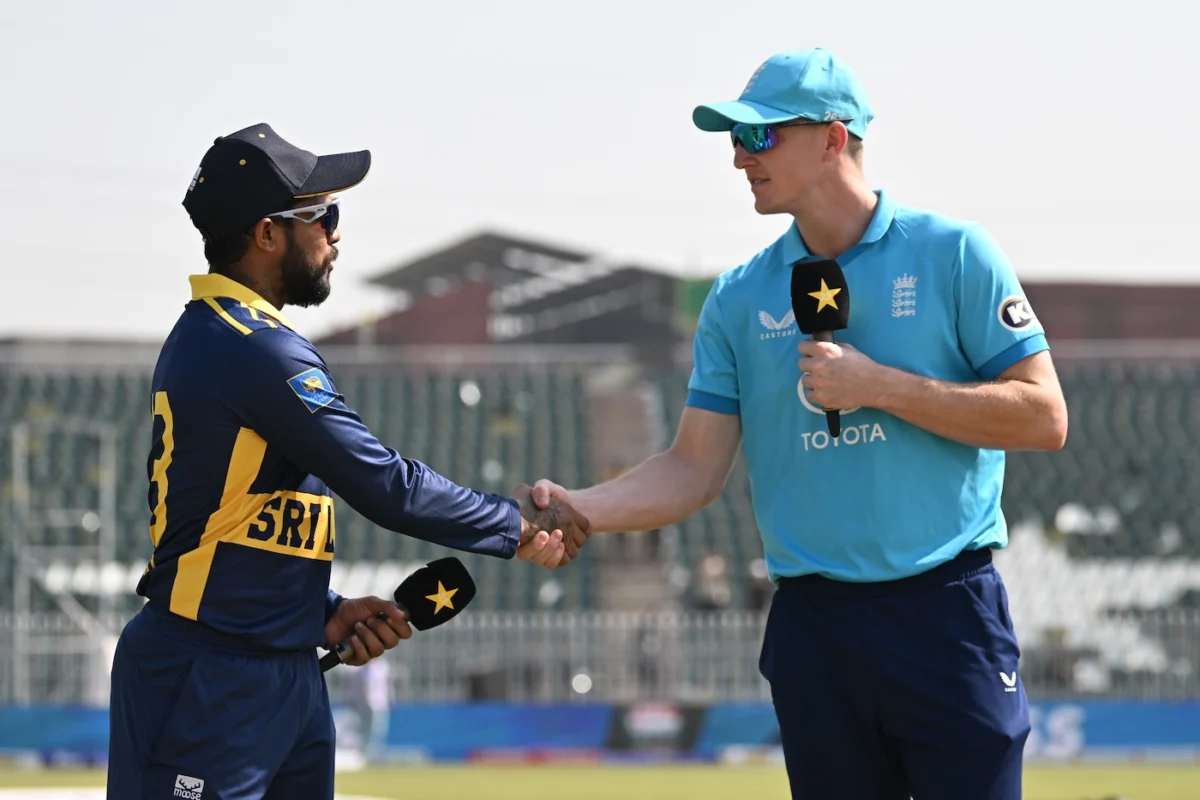
England captain Harry Brook echoed a similar sentiment regarding the tactical adaptation needed for the Rawalpindi surface. Following Tuesday’s defeat, Brook had openly criticized his side’s lack of proactive intent against Pakistan’s spinners, including his own approach at the crease. At the toss on Thursday, where Sri Lanka won and elected to bowl first, Brook reiterated his belief that England needed to apply significantly more pressure on the opposition.
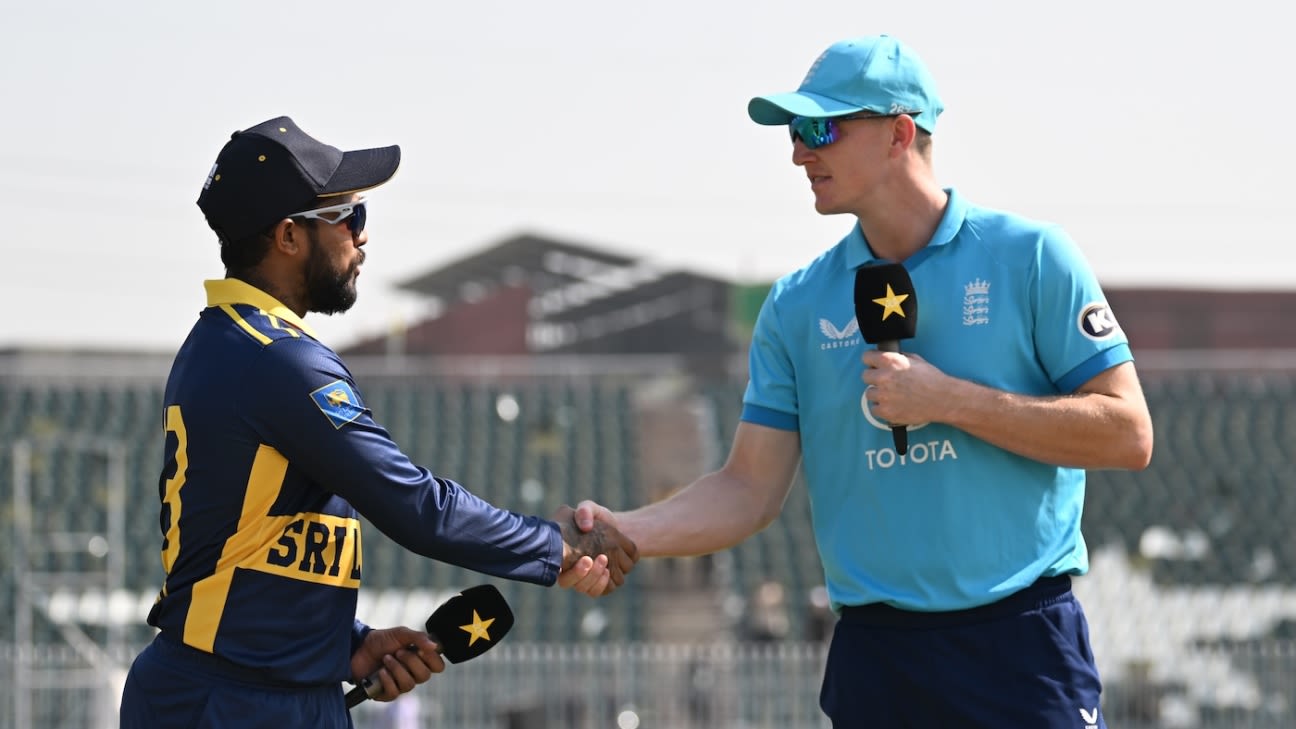
Despite losing the toss, Brook admitted that he was ultimately content with the prospect of batting first. He noted that the pitch appeared slightly drier and felt firmer than it had previously, expressing confidence that his team could post a competitive total and subsequently put the opposition under scoreboard pressure.
In addition to replacing Rashid with Dawson, England made one other change to their playing XI, bringing in fast bowler Josh Tongue to take the place of Sonny Baker. Tongue’s inclusion adds an extra dimension of pace and bounce to the English seam attack as they look to bounce back from their opening defeat in the tri-series.
For Sri Lanka, captain Kusal Mendis opted to field first upon winning the toss, citing expectations of late-evening dew altering conditions during the second innings. Mendis maintained this strategy despite the historical trend of the ongoing Rawalpindi leg, where both prior matches in the tri-series were comfortably won by the team defending a total and batting first.
Mirrors to England’s strategic pivot regarding spin were also evident in the Sri Lankan selection. In their sole change for the fixture, Sri Lanka opted to replace a legspinner with a left-arm fingerspinner, bringing in Dunith Wellalage at the expense of Sachindu Colombage.
The match line-ups reflected both teams’ adjustments for the conditions. Sri Lanka fielded a side featuring Avishka Fernando, Kamindu Mendis, Kusal Mendis as captain and wicketkeeper, Pavan Rathnayake, Sahan Arachchige, Janith Liyanage, Dasun Shanaka, Dunith Wellalage, Eshan Malinga, Asitha Fernando, and Dilshan Madushanka.
Meanwhile, England’s changed line-up featured Tom Banton, Ben Duckett, Joe Root, captain Harry Brook, wicketkeeper Jordan Cox, Sam Curran, Will Jacks, Jamie Overton, Liam Dawson, Gus Atkinson, and Josh Tongue.

Comments (0)