


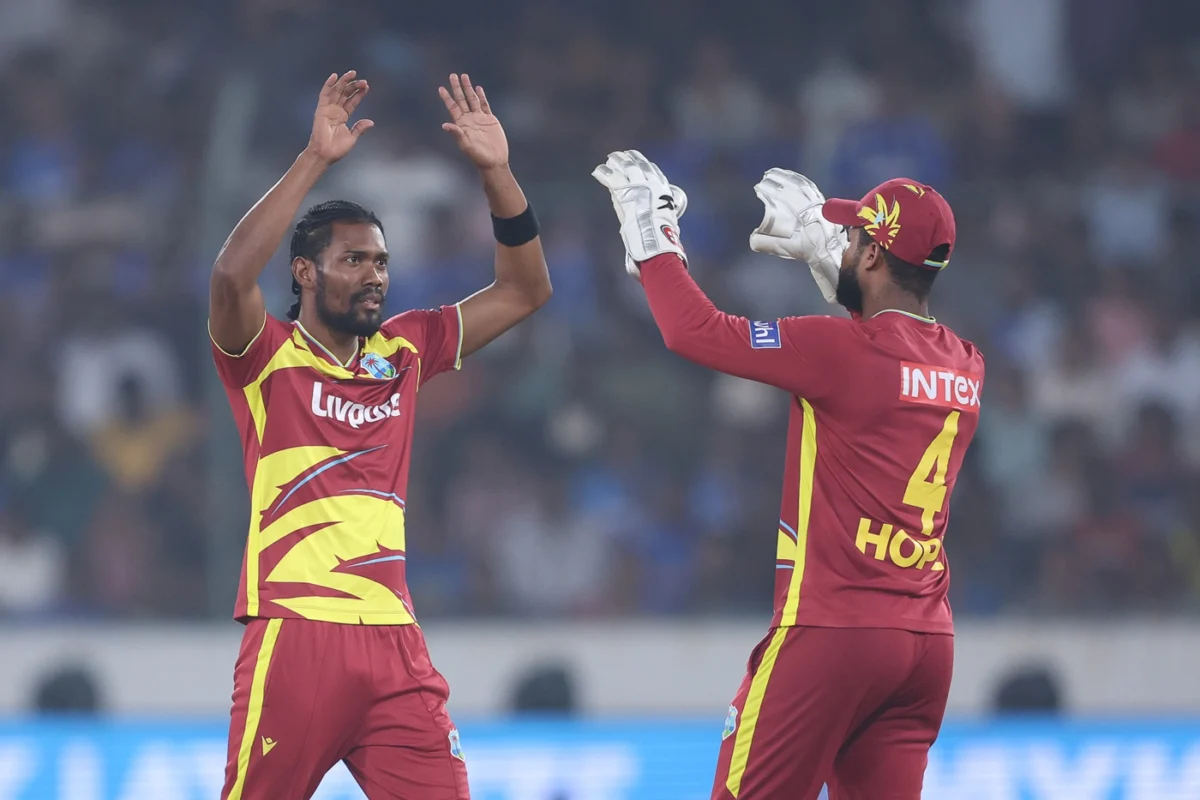
The stage was set for a dramatic conclusion to the bilateral series as India and the West Indies prepared to lock horns in a high-stakes fifth and final T20 international. Heavy weather in the lead-up forced officials to truncate the contest into a frantic nine-over affair at a venue familiar to seasoned campaigners, bringing an unexpected layer of tactical intrigue to a series decider. Winning the toss, the West Indies captain had no hesitation in inserting India in to bat under overcast skies, hoping to exploit any early moisture or movement off the pitch in the shortened format.
The match carried immense historical weight for the visiting side, who entered the contest looking to overcome a lengthy drought. The West Indies were aiming to beat India in a home series for the first time in seven years, having already shown immense resilience earlier in the tour by coming from behind twice to level the score and force this ultimate showdown.
For India, the toss and the weather brought immediate selection drama, headlined by the sensational return of veteran pace bowler Bhuvneshwar Kumar. It marked Bhuvneshwar’s first appearance in international cricket in four years, a remarkable comeback that unfolded fittingly at his Indian Premier League home ground. With the match reduced to a nine-over sprint per side and bowlers’ quotas strictly capped at a maximum of two overs each, Bhuvneshwar was thrust straight into the spotlight, immediately tasked with defending a total in a series-deciding fixture.
Bhuvneshwar’s late inclusion in the starting eleven came after fast bowler Mayank Yadav sat out. Bhuvneshwar had been called into the national squad at the last minute as cover for fellow pace spearhead Arshdeep Singh. Arshdeep had taken a painful blow on his bowling shoulder while batting during the previous encounter of the series, sparking concerns over his fitness. As it transpired, Arshdeep recovered in time to take the field, but the Indian team management ultimately opted for Bhuvneshwar’s wealth of international experience, tactical astuteness, and death-bowling mastery, recognizing that a shortened, high-pressure match demanded seasoned hands.
In addition to bolstering their bowling attack with Bhuvneshwar, India also moved to strengthen their batting lineup. Hard-hitting all-rounder Shivam Dube was recalled to the starting eleven, replacing Nitish Kumar Reddy, who was forced to sit out due to illness. The inclusion of Dube added significant depth and power-hitting capability to an already explosive middle order. With options like Naman Dhir, Axar Patel, and Dube available, India possessed plenty of flexibility, though the team management still needed to carefully navigate the restriction that required them to squeeze three overs out of their supporting bowling options.
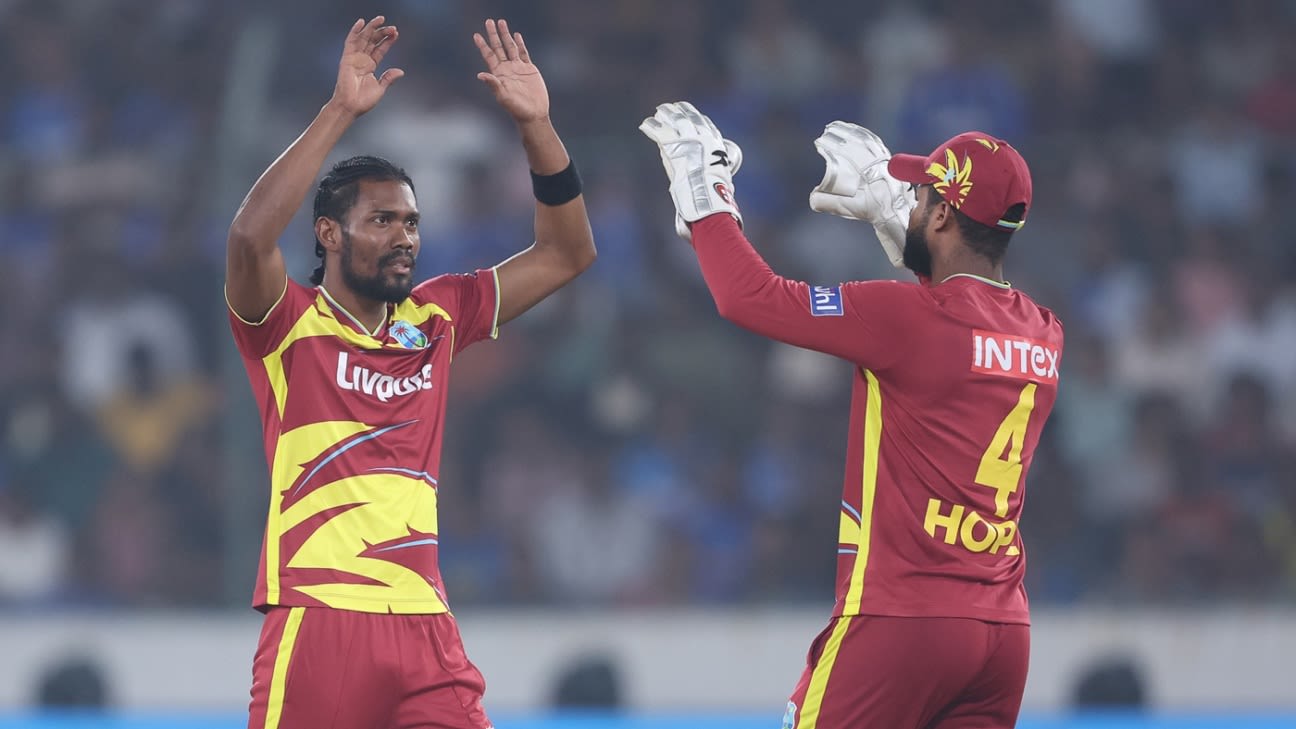
On the other side, the West Indies camp opted for absolute stability, naming an unchanged playing XI following their impressive momentum-building performances in the middle stages of the series. Having successfully clawed their way back twice after falling behind, the Caribbean side carried a settled combination and palpable confidence into the decider. Their leadership group was acutely aware of the unique parameters governing the rain-reduced game, where traditional pacing strategies fly out the window and every single delivery assumes monumental significance.
With the contest compressed to just nine overs per side, the strategic dynamics of the game shifted dramatically. The traditional six-over powerplay was shrunk down to a mere 2.4 overs, compelling both batting units to throw caution to the wind from the very first ball. Furthermore, with bowlers restricted to bowling a maximum of two overs apiece, captains had zero room for error when managing their bowling resources. One miscalculated over from a frontline bowler could completely derail a team’s championship aspirations in a format where margins are razor-thin.
The teams lined up with distinct tactical blueprints designed for the truncated contest. India’s starting lineup featured Abhishek Sharma at the top of the order, followed by wicketkeeper-batter Sanju Samson and Ishan Kishan. Shreyas Iyer captained the side from the middle order, supported by Tilak Varma, Naman Dhir, Shivam Dube, and Axar Patel, rounding out a formidable batting core before the bowling unit of Bhuvneshwar Kumar, Prince Yadav, and Arshdeep Singh.
The West Indies countered with a lineup captained by wicketkeeper-batter Shai Hope, opening alongside Jewel Andrew. The middle and lower-middle order boasted heavy-hitting and all-round depth with Shimron Hetmyer, Rovman Powell, Sherfane Rutherford, Romario Shepherd, and Roston Chase, while the bowling attack was rounded out by Shamar Springer, Keemo Paul, Shamar Joseph, and Gudakesh Motie.
As the players took their positions under the floodlights, the atmosphere crackled with anticipation. For Bhuvneshwar, the return after a four-year hiatus represented the culmination of years of domestic consistency and perseverance. For the West Indies, it was a golden opportunity to snap a seven-year losing streak on home soil against one of the world’s powerhouse cricketing nations. With the overs flying by and every run carrying championship weight, the stage was set for a thrilling finish to a fiercely contested series.

Comments (0)