


The overhaul of Sri Lankan cricket’s governing framework comes at a critical juncture for the sport in the island nation. At present, the International Cricket Council (ICC) maintains a suspension on SLC’s voting rights at the board level. The global governing body took this stringent stance based on the view that the establishment and operation of the Transformation Committee constituted direct government interference in the administration of the sport. The fallout from this governance crisis has already inflicted tangible damage on Sri Lankan cricket, most notably when the country was stripped of its hosting rights for the Women’s Champions Trophy, which had been scheduled to take place next year.
To address the core structural concerns raised by the ICC and domestic stakeholders, the proposed Sri Lanka Cricket bill introduces sweeping reforms to the existing constitution. Under the current legislative blueprint, the bill prescribes a modernized 14-member governing board. This composition is designed to balance democratic representation with professional independence by dictating that exactly half of the officials will be voted into office by SLC’s recognized member body, while the other half will be appointed as independent directors. Furthermore, to ensure broader representation and modern governance standards, the legislation mandates that at least two of the appointed independent directors must be women.
Crucially, the legislation also seeks to establish a robust and permanent separation between Sri Lanka Cricket and the apparatus of the state—an objective that administrative reforms alone cannot achieve, requiring a formal parliamentary process instead. For decades, SLC has operated primarily within the strict confines of Sri Lanka’s 1973 Sports Law, a framework that requires the organization to report to government authorities on numerous internal and administrative processes. The new bill explicitly removes Sri Lanka Cricket from the category of bodies governed by that historical Sports Law, effectively superseding it and granting the organization unprecedented administrative autonomy.
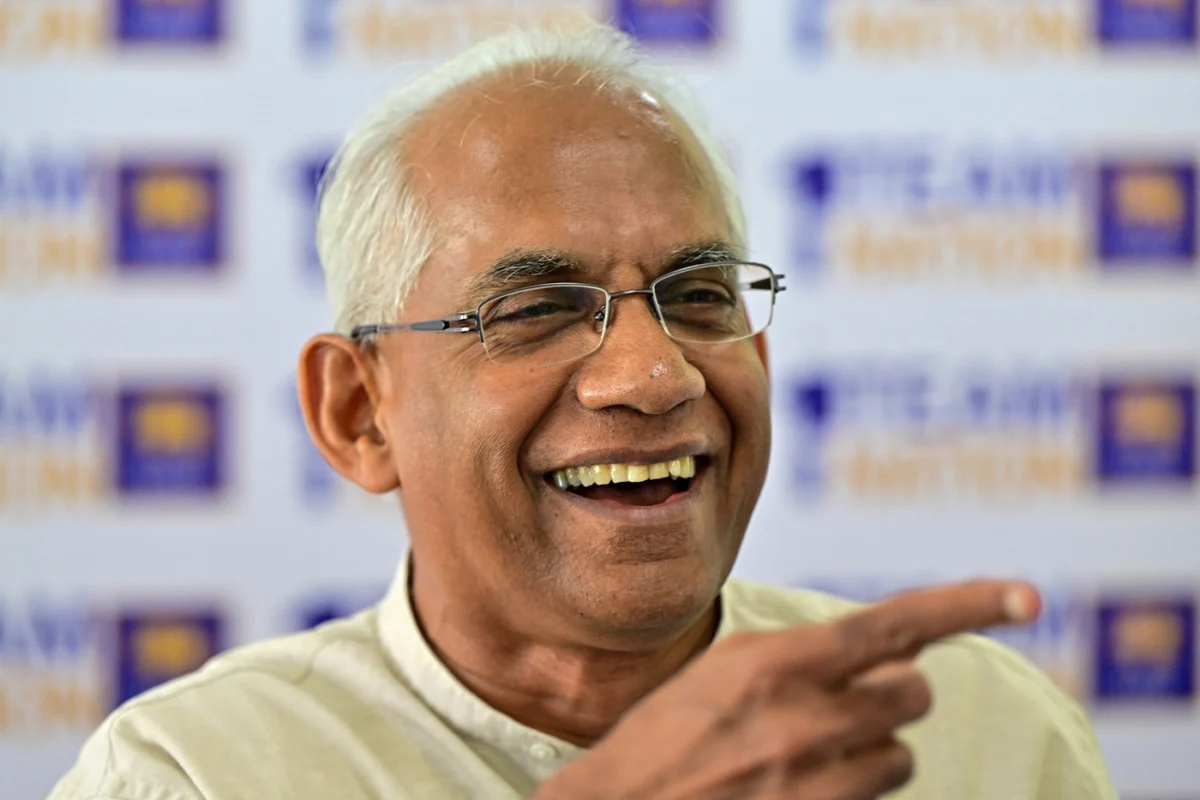
Detailing the expected timeline for the legislation during a press conference in Colombo, Wickramaratne expressed confidence that the transition will be codified before the year is out. Drawing on his extensive experience as a member of the country’s cabinet over the past decade, Wickramaratne noted that the completion of the process depends largely on the official parliamentary calendar, but emphasized that the objective remains firmly on track.
The legislative journey of the bill has already cleared several crucial milestones since it was formally tabled in parliament in late September, successfully passing its initial reading. Following that introduction, the proposed legislation was referred to the Supreme Court of Sri Lanka to undergo constitutional scrutiny. Over a dedicated period of eight days, the judiciary heard petitions, submissions, and feedback from members of the public and interested citizens.
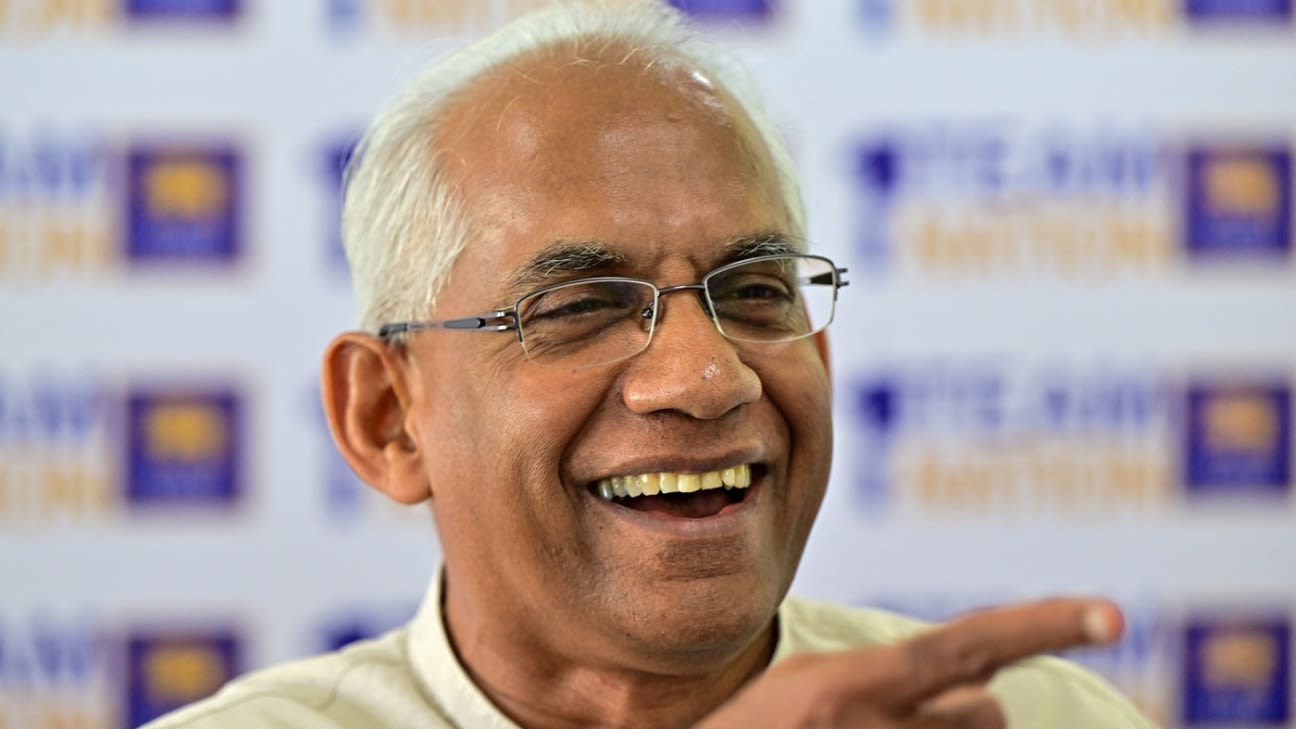
Explaining this phase of the process, Wickramaratne noted that citizens are legally permitted to challenge or offer feedback on a bill for two weeks following its tabling. That public consultation window has now concluded, and the Supreme Court is anticipated to deliver its official verdict and legal conclusion very soon. Once the judiciary returns its determination, the bill is scheduled to be tabled in parliament again the following week.
When a legislative measure of this magnitude is introduced, questions naturally arise regarding its exact conformity with the broader constitution of Sri Lanka. In some instances, the judiciary may rule that a bill requires more than a simple majority in the legislature to pass, or it may mandate that a national referendum be held as part of the enactment process. Wickramaratne made it clear that the committee is prepared to navigate any such judicial recommendations constructively. If the courts determine that further modifications are necessary to satisfy constitutional requirements, those changes will be evaluated positively. The overarching motivation, he stressed, is not driven by individual preferences or personal requirements, but by a collective vision to secure the long-term benefit of cricket and the nation as a whole.
Because the current government itself appointed the Transformation Committee and commands a comfortable two-thirds majority in the house, the bill is anticipated to experience a relatively straightforward passage through its subsequent second and third readings. Once the Supreme Court concludes its review and the measure returns to the legislature, a formal debate can be called approximately three weeks later, culminating in a parliamentary vote.
Even after the act successfully clears parliament and receives final assent, the physical transition will require a measured approach. Implementing the new legislation will take several weeks, as both the newly elected officials and the newly designated independent directors must navigate a formal induction and appointment process. Only after those procedural steps are fully completed can the updated SLC constitution take full operational effect.
If enacted into law in its current form, the legislation will permanently redefine the relationship between the national cricket administration and the state. By securing genuine independence from government oversight alongside a restructured internal voting system and modernized operational procedures, Sri Lanka Cricket hopes to satisfy international governance standards, emerge from its current isolation, and reclaim its fully operational status within the global cricket community.

Comments (0)