


As England prepare for a high-stakes three-Test series in South Africa starting in December, followed by a blockbuster home Ashes series next summer, Ben Stokes and his side will be keeping a very close eye on unfolding events in the southern hemisphere. Australia’s commanding 214-run victory over the Proteas in the first Test in Durban offered plenty of tactical insights, exposing both vulnerabilities and strengths that will shape the strategic planning of rival camps over the coming months.
England won’t get benefit of rusty-looking Proteas
For South Africa, the series opener in Durban marked their return to the Test arena after nearly a year away. Their last assignment in the format had been an impressive 2-0 series victory in India, while this fixture represented their first home Test since lifting the World Test Championship mace after defeating Australia at Lord’s in June 2025.
That extended layoff showed. The Proteas looked understandably short of match sharpness, a rustiness that England are unlikely to encounter when they arrive for the opening Test in Johannesburg on December 17. By the time the tourists touch down, the hosts will have played the remainder of this current series against Australia, as well as a two-Test assignment against Bangladesh in November, giving them ample opportunity to iron out their flaws and rediscover their competitive rhythm.
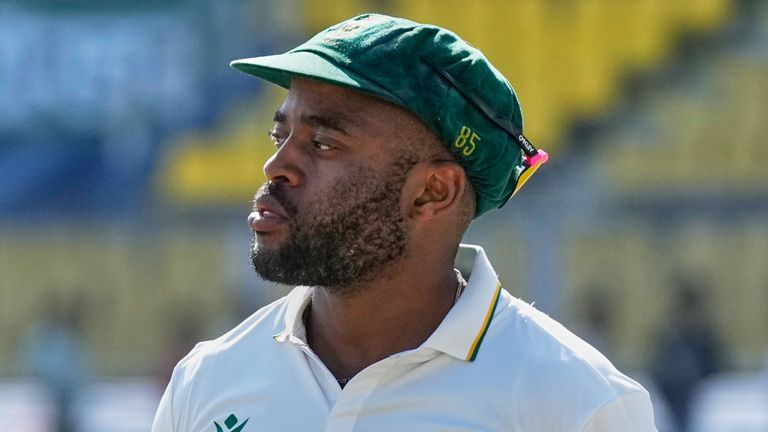
Despite the comprehensive defeat, South Africa did display flashes of resistance. Aiden Markram provided a standout knock, battling through a 237-ball, near six-hour vigil at the crease during the second innings as the hosts desperately attempted to bat out for an unlikely draw. David Bedingham also enjoyed a productive outing, chipping in with a pair of solid forties at number three.
However, these contributions were not backed up by substantial enough totals. South Africa were guilty of throwing away promising starts in their first innings, where six separate batsmen reached or exceeded the thirty-run mark but failed to convert them into defining scores, ultimately conceding a damaging 106-run first-innings deficit. At the top of the order, Ryan Rickelton endured a difficult couple of outings, while captain Temba Bavuma suffered a miserable match, managing a paltry four runs across his two visits to the crease.
The central question for the Proteas is whether this performance was merely the byproduct of early-season rust or the symptom of deeper structural concerns within the batting lineup. The upcoming Tests will provide a definitive answer.
Has Renshaw solved Australia’s middle-order issues?
While South Africa searched for answers, Australia found a major positive in the resurgence of Matt Renshaw. Playing a pivotal role in the tourists’ triumph, Renshaw compiled a magnificent, career-best 190 in the first innings—a knock that may well have cemented his place in Australia’s middle order for the foreseeable future.
The player of the match rescued his side from a precarious 124-6 on the opening day when Australia were in real danger of squandering control amidst familiar top-order collapses. Bolstered by an 82-run contribution in the second innings and two useful wickets with his part-time off-spin, Renshaw ensured the visitors posted a resilient 390 deep into the second day, a total from which they never looked back.
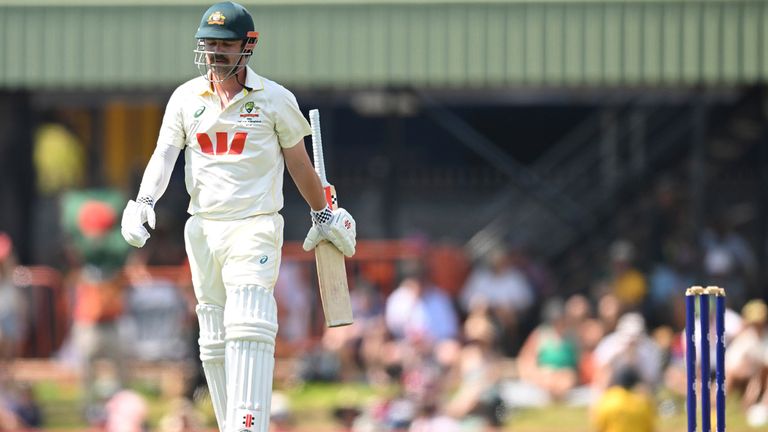
If Renshaw has indeed locked down the number five slot for the remainder of the series, questions still linger regarding the balance of the rest of the batting order. Travis Head, who previously occupied that position with immense success, was shunted up to open midway through the Ashes last winter. That tactical shift yielded immediate dividends at the time as Head struck three crucial centuries in victories at Perth, Adelaide, and Sydney. Yet, his form has since cooled alarmingly, failing to pass 22 in his last three Test appearances, which included a couple of soft dismissals in Durban.
Given that Renshaw has substantial experience opening the batting, team management may eventually contemplate swapping the pair around, a possibility worth revisiting before their tour of England next summer. For now, however, Renshaw has earned an extended run in the middle order, leaving Australia to address other vulnerabilities in their top-order configuration.
Questions remain over Labuschagne and top order
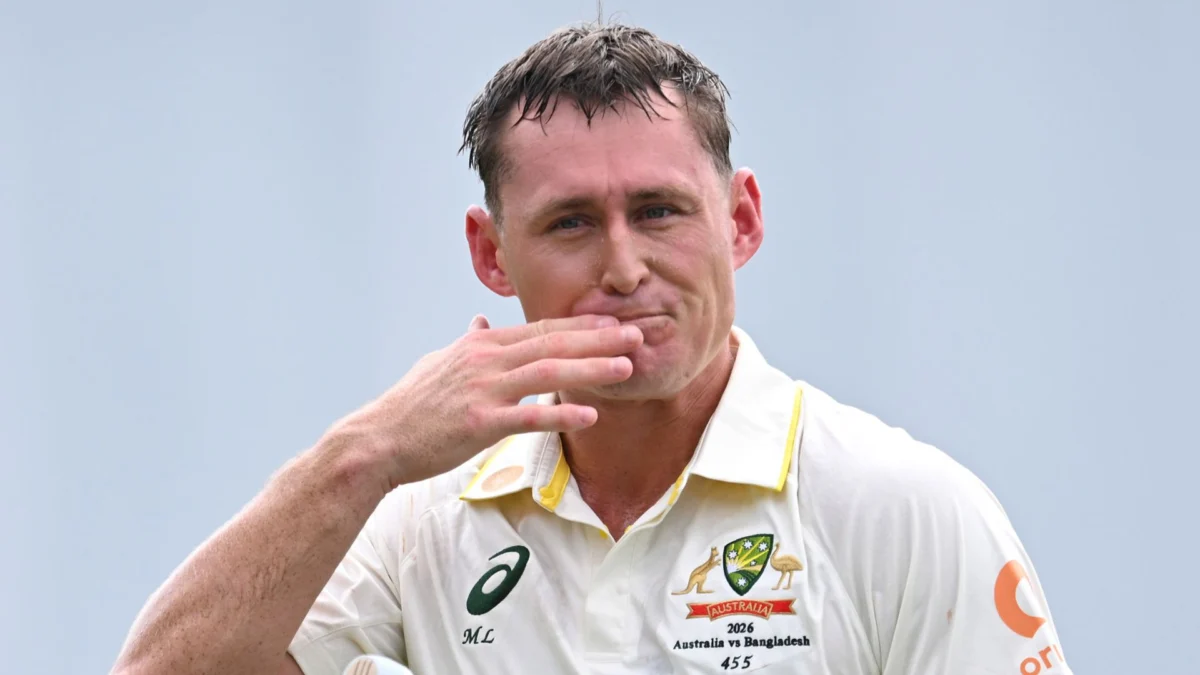
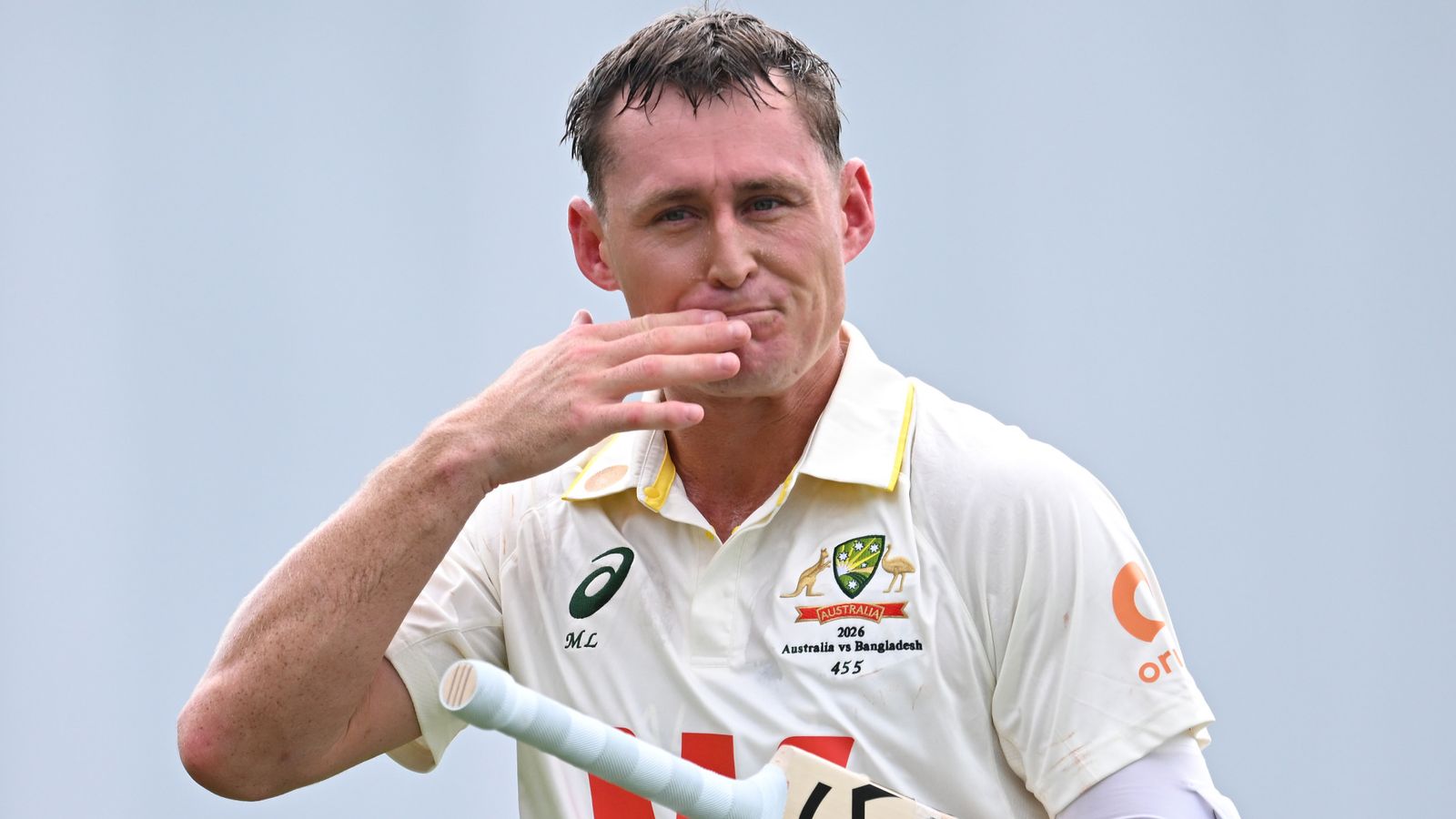
Marnus Labuschagne’s protracted wait for his 12th Test century continues to drag on, with his barren run extending all the way back to July 2023. A promising hundred in the pre-series warm-up match offered hope of a turning tide, as did twin scores of 37 in Durban, but once again he failed to convert his starts into a substantial and decisive contribution.
Averaging a modest 25.29 across his 24 Test innings since his last three-figure score at Old Trafford during the 2023 Ashes, Labuschagne has retained his place in the side largely due to a lack of immediate, proven alternatives staking an aggressive claim.
That fragility was further underlined by the inclusion of Nic Maddinson. Returning to the Test fold for the first time since late 2016—when he averaged just 6.75 across three appearances—Maddinson’s career has faced extraordinary hurdles, including injuries, mental health struggles, and a testicular cancer diagnosis that sidelined him for the majority of the previous year. Having played no first-class cricket since March 2025, the 34-year-old was thrust straight into the team in Durban following injuries to frontline batting options Cameron Green and Josh Inglis.
Maddinson’s international comeback began inauspiciously with a 33-ball duck in the first innings. Although he batted with much greater freedom in the second innings as Australia pressed home their advantage—clubbing six fours and two sixes in a breezy 48 off 38 balls—his long-term security in the side remains under intense scrutiny.
This scrutiny is only amplified by the anticipated returns of Green and Inglis for the second Test in Gqeberha. Dropping Maddinson after just a single appearance would undoubtedly feel harsh, but Australia are understandably keen to reintegrate Green into the starting XI. With Renshaw currently occupying Green’s favored spot at number five, selectors face a headache. Could Green slot in for Labuschagne at number three, or replace Beau Webster at number seven after the all-rounder was notably underutilized in Durban? The makeup of Australia’s batting order is far from settled.
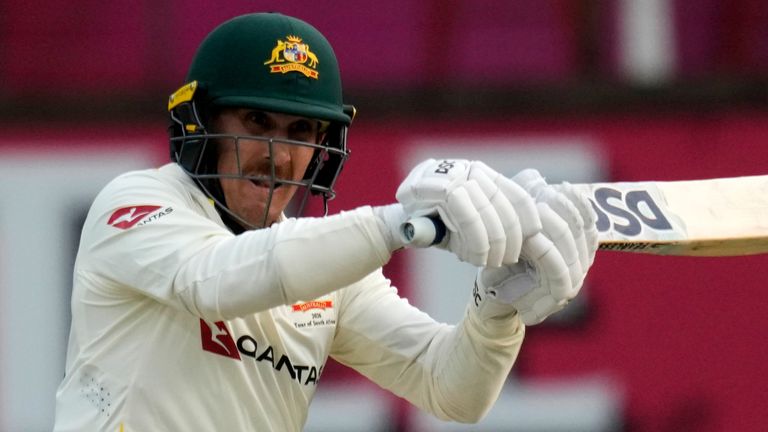
Hazlewood and co prove they’re still a force
If there is one aspect of Australia’s masterclass in Durban that should genuinely alarm England, it is the enduring potency and relentless depth of their bowling attack.
Josh Hazlewood delivered a masterclass of precision seam bowling, claiming career-best Test figures of 6-49 in the second innings to seal the comprehensive victory. His efforts complemented an incisive opening-spell performance from captain Pat Cummins, who bagged 3-54 as South Africa were restricted to 284 on a decent batting surface. Add in the evergreen mastery of 38-year-old off-spinner Nathan Lyon, alongside elite reserves like Scott Boland and Michael Neser waiting in the wings, and Australia possess an embarrassment of riches.
This bowling depth will be tested severely over the coming months. Australia’s attack is aging, and a punishing schedule featuring a four-match home series against New Zealand and a five-Test tour of India following their commitments in South Africa will ask hard questions of their physical durability.
Nevertheless, any premature suggestions that this legendary Australian attack might be past its peak by the time the Ashes gets underway on June 18 at Trent Bridge were comprehensively dismantled in Durban.
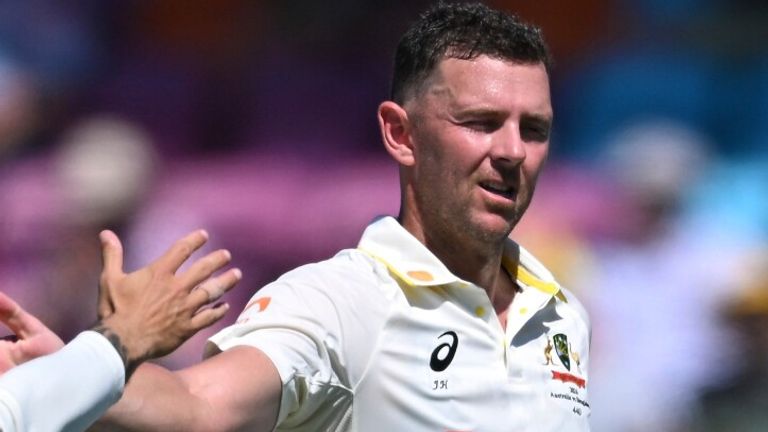
South Africa team selection a head-scratcher
South Africa’s tactical approach and selection strategy for the series opener raised plenty of eyebrows, most notably their decision to deploy two specialist spinners on a Durban surface that did not overtly favor slow bowlers.
Keshav Maharaj and Simon Harmer offered contrasting left-arm and right-arm options, but neither posed a consistent threat, combining for just four wickets in the match. Harmer’s solitary scalp in the first innings was emblematic of an attack that lacked teeth during Australia’s crucial recovery from 124-6.
The absence of Kagiso Rabada, who failed to recover from a hamstring injury in time for the opening Test, undoubtedly forced the selectors’ hand, but it resulted in an unbalanced and makeshift bowling unit. All-rounder Wiaan Mulder was pressed into service with the new ball—a role unsuited for his skill set—and while he claimed two early wickets on the first morning and two more later on, he looked largely ineffective across his 31 spells of hard toil.
On a brighter note, the return of Anrich Nortje offered genuine encouragement. Despite his lengthy absence from Test cricket, the express pace bowler showed exciting glimpses of the hostile speed and aggression that made him such a devastating weapon between 2019 and 2023.

Should Rabada prove his fitness and return for the second Test in Gqeberha, South Africa’s bowling attack will instantly acquire the balance and venom it lacked in Durban. The prospect of Rabada, Nortje, and left-arm quick Marco Jansen operating in tandem will present an infinitely sterner examination for Australia—and for England when they arrive at the end of the year.

Comments (0)