


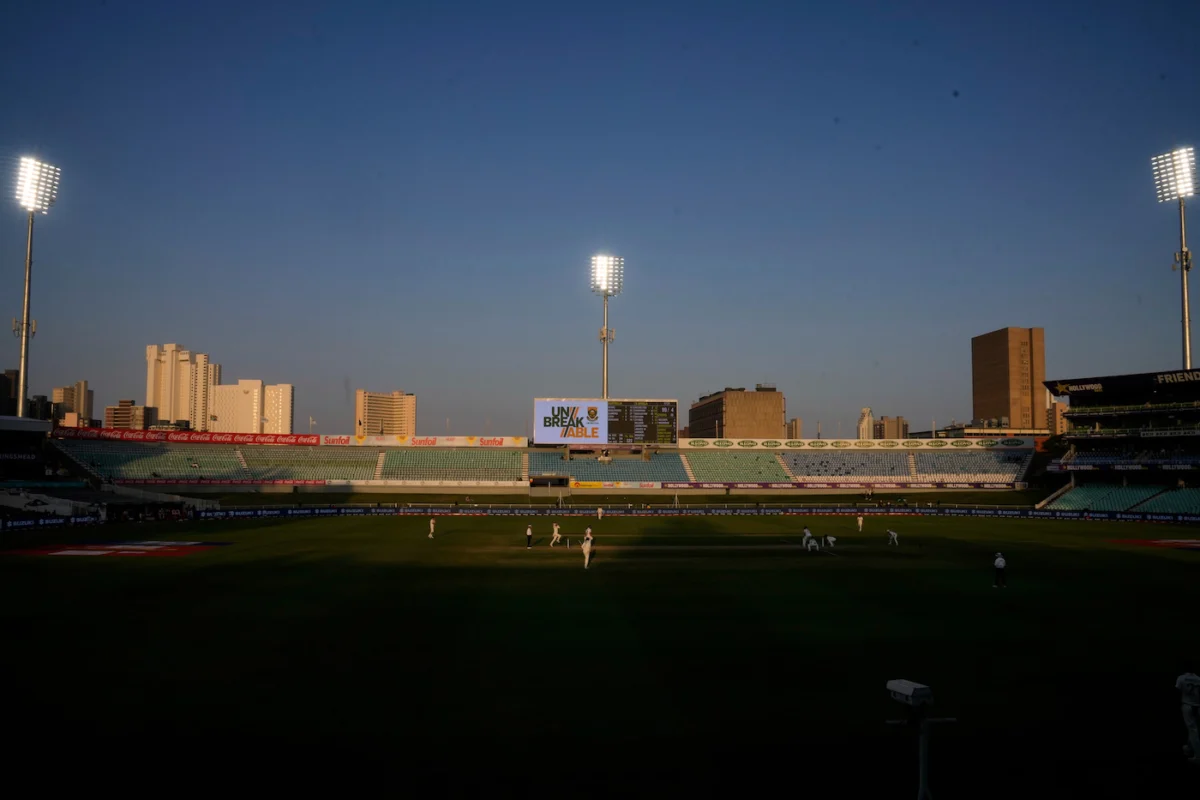
The KwaZulu-Natal Cricket Union (KZNCU) has announced that it will launch a thorough internal review following deeply concerning crowd figures at the opening Test match between South Africa and Australia at Kingsmead Stadium in Durban, which concluded on Tuesday. Despite featuring a world-class contest between two premier cricketing nations, the match drew a cumulative total of just under 20,000 spectators across its duration. The fixture carried profound significance for the home side, marking South Africa’s first home Test match since January 2025 and their inaugural appearance on home soil since being crowned World Test champions. With Kingsmead holding a daily capacity of approximately 20,000 people, the total attendance for the entire match represented less than a fifth of the potential capacity that could have been filled over the course of the fixture.
The stark contrast between the elite quality of the cricket played on the field and the empty seats in the stands has prompted serious introspection from local cricket administrators. Heinrich Strydom, the Chief Executive Officer of the KZNCU, did not shy away from addressing the issue, emphasizing that the spectacle deserved far greater backing from the local sporting public. A Test match of this immense quality, featuring the Proteas and Australia, simply deserved greater support in the stands, Strydom noted in an official statement released by the union. While administrators are fully cognizant of the fact that supporters face competing demands on their time and personal finances, Strydom stressed that the union must develop a deeper understanding of the various factors that influence a fan’s decision to attend live sports. Furthermore, he highlighted the urgent need to evaluate what cricket boards and stadium operators can do to transform live cricket into a more attractive, accessible, and worthwhile experience for families and enthusiasts alike.
A multitude of complex and overlapping factors appear to have influenced supporters’ decisions regarding whether or not to make the journey to Kingsmead Stadium. Chief among the external disruptions was civil unrest in the surrounding area. The Durban Central Business District, situated a mere kilometer away from the stadium gates, experienced severe lockdowns and ongoing security operations for a significant portion of the match days due to anti-immigration protests. Initially, the area witnessed a heavy and visible police presence to manage the demonstrations, and as the game progressed toward its conclusion, the situation escalated to the point where the South African National Defence Force was deployed to maintain order. Ironically, inside the confines of Kingsmead Stadium, the match proceeded in an atmosphere of tranquility with almost no physical sign of the unrest unfolding just outside the perimeter walls, yet the psychological and logistical deterrent of navigating a locked-down city center undoubtedly impacted spectator numbers.
Beyond the security challenges in the urban center, broader socioeconomic pressures played a critical role in keeping fans away from the turnstiles. South Africa has been grappling with an intense cost-of-living crisis, underscored by crippling fuel price hikes. Just two days before the Test match was scheduled to commence, on October 7, the price of petrol surged to a record-breaking high of R29.38, equivalent to approximately US$1.78, per liter. The prohibitive cost of transportation, combined with general inflation and financial strain on households, made attending a multi-day sporting event a luxury that many fans could simply not afford. Test captain Temba Bavuma implicitly acknowledged these harsh economic realities during the post-match press conference, responding in isiXhosa to a query regarding the sparse crowds and noting that the high cost of living had likely played a significant role in keeping people away from the ground. While the KZNCU acknowledged these macro-economic hurdles, the planned internal review aims to look inward as well, seeking concrete answers on how the union can better engage its fan base despite adverse economic conditions.
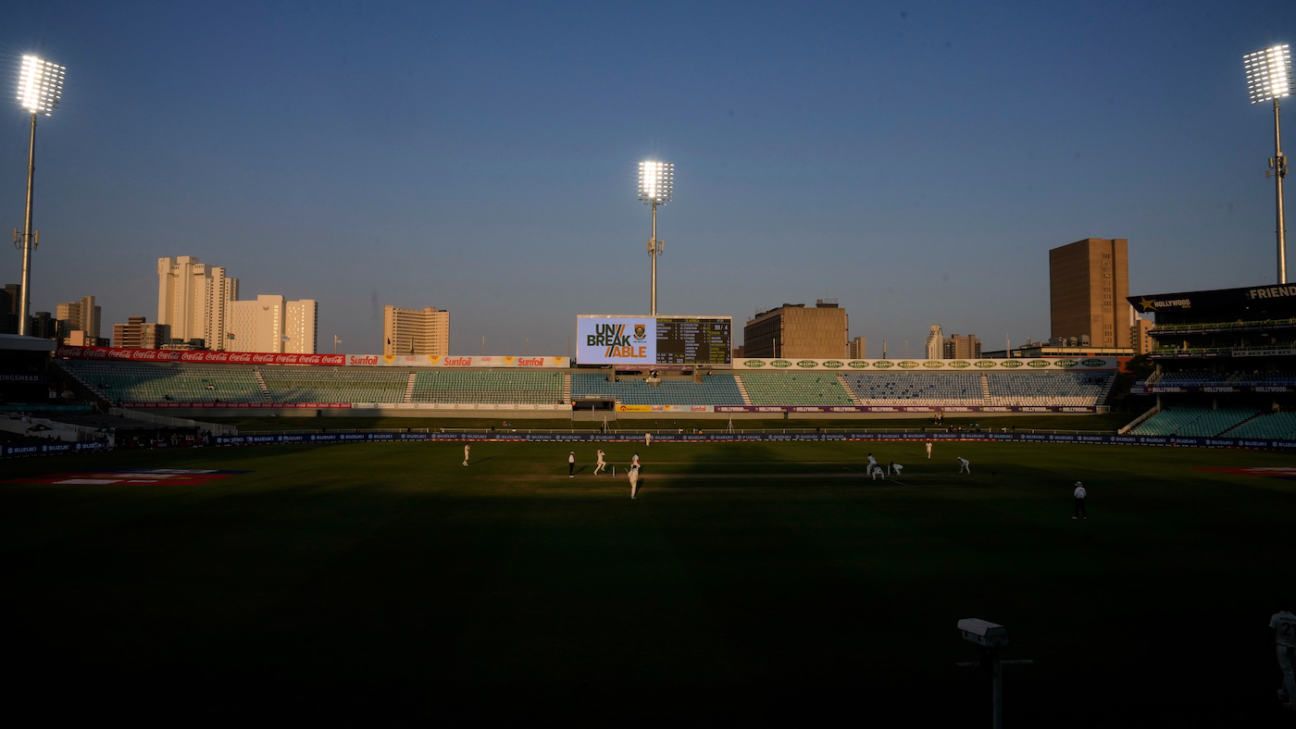
The internal review will require the cricket community to listen closely to supporters, reconnect with local communities, and continuously innovate to make Test cricket more accessible, engaging, and appealing to families and cricket lovers of all age groups. Strydom was quick to point out that the disappointing attendance figures were entirely decoupled from the on-field product. The quality of the cricket throughout the encounter and the standard of the pitch prepared by the groundsmen were nothing short of exceptional. South Africa’s head coach, Shukri Conrad, also took the opportunity to publicly commend groundsman Wonderboy Khanyile for producing a sporting and resilient surface that allowed for a compelling contest between bat and ball.
The issue of low crowd turnout for Test matches in Durban is not entirely unprecedented, as the venue has struggled with dwindling spectator numbers for longer-form matches in recent years. These persistent attendance trends have already forced structural changes to the domestic international calendar, most notably the relocation of the traditional Boxing Day Test away from Kingsmead to SuperSport Park in Centurion. The early-season struggles extended beyond the Test arena, as crowd figures were similarly lower than anticipated for the season-opening One-Day International against Australia, which was hosted on the public holiday of September 24 and attracted just over 12,000 spectators. Although that particular fixture fell on a non-working day, the timing coincided with a period when South African school and university students were deeply entrenched in their preparations for the critical final examination period, which naturally restricted student attendance.
Looking ahead, the logistical and environmental challenges facing the remainder of the series do not promise an immediate reprieve for crowd figures. The second Test is scheduled to get underway on Sunday in Gqeberha, but organizers face a daunting weather forecast alongside a compressed schedule. Only a single weekend day of play is available in the itinerary, and meteorological reports project heavy rain for both that weekend day and the subsequent day of the match. Meanwhile, the historic Newlands Test in Cape Town faces its own scheduling hurdles, set to begin on a Tuesday and conclude on a Saturday, a configuration that could pose additional attendance challenges for local working professionals.
These scheduling anomalies are symptomatic of a broader, systemic shift in the international cricket landscape. This season marks the first time in South African cricket history that a home Test summer has commenced as early as October. Increasing demands, commercial pressures, and congestion within the global cricket calendar have squeezed premier international fixtures into uncomfortable shoulder windows. Traditionally, South Africa’s prime Test cricket period spans the warm summer months between November and March. However, the rapidly expanding footprint of the lucrative SA20 franchise league occupies the vast majority of January and February, while the Indian Premier League commands the month of March, effectively compressing the Test window into the earlier, less traditional months of the year. As the KZNCU prepares to conduct its review, the broader South African cricket ecosystem faces profound questions regarding how to preserve the prestige and viability of Test cricket in a changing economic and scheduling reality.



Comments (0)