


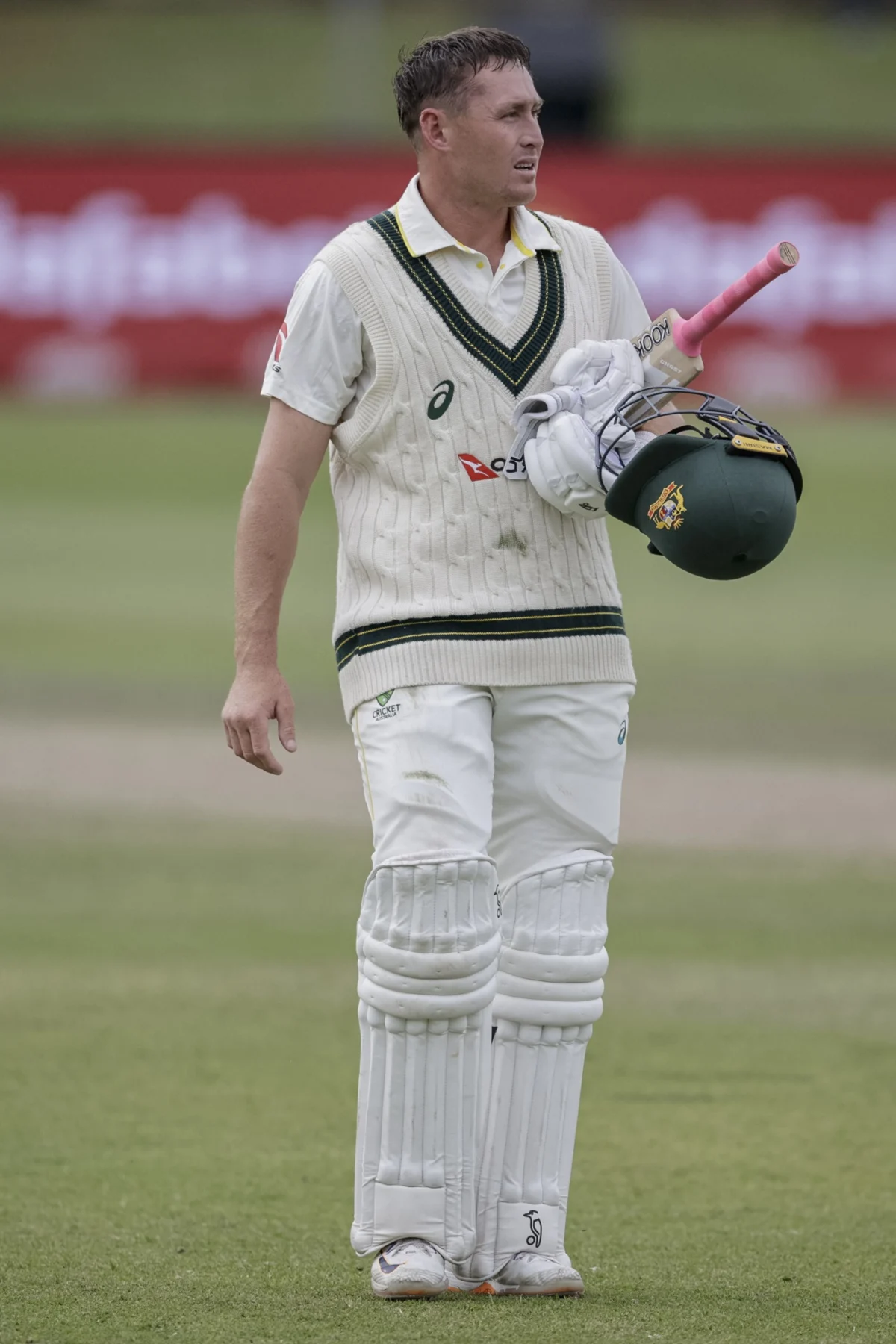
St George’s Park has long been a venue where the local elements play as much of a role in the outcome of a cricket match as the players on the field. For off-spinner Simon Harmer, the historic Gqeberha ground served as his home turf for 11 years, providing him with an intimate understanding of every breeze, slope, and pitch characteristic. Following the conclusion of a tense second Test between South Africa and Australia, Harmer’s deep familiarity with the venue added a decisive chapter to his storied relationship with the ground, taking his tally to 105 first-class wickets at the venue at an impressive average of 24.89.
The pivotal moment of the fourth afternoon in Gqeberha arrived when Australia, forced to follow on, found themselves at 100 for the loss of 1 wicket. Marnus Labuschagne was well set on 39, offering his side a crucial platform from which they could potentially weather the storm, consolidate the innings, and save the Test match. Operating from the Duck Pond End with a howling gale blowing directly at his back, Harmer prepared to bowl to the resolute Australian batter.
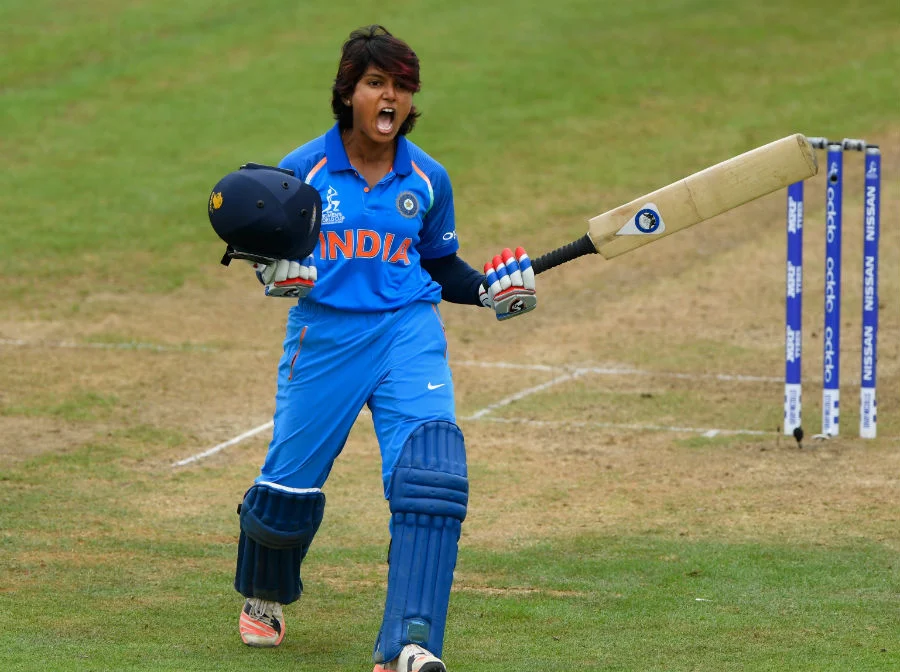
What followed was a combination of tactical misjudgment, environmental factors, and precise execution from the hosts. Labuschagne danced down the pitch, looking to take the initiative and hit against the fierce wind. However, the moment the ball left the bat, it caught the powerful gust sweeping through the stadium, hanging indefinitely in the air. Marco Jansen, stationed in the deep, kept his composure under the swirling ball to take a superbly judged catch. As reality set in, Labuschagne roared in anger, displaying visible and raw emotion as he trudged off the field, knowing his promising resistance had been prematurely halted.
Reflecting on the dismissal after the day’s play, Harmer admitted his bewilderment at the tactical choice made by the Australian number three. "I don’t know what he was thinking," Harmer remarked. "Obviously, I’ve played a lot of cricket at St George’s Park and it funnels through that corner of the old stand and the duck pond. A lot of times you think you’ve got enough of it, but it just gets held up in the wind. I’m sure he’ll be disappointed in hindsight, especially when they were looking to draw the Test. He’s a world-class player and I’m sure he’ll bounce back."
South Africa captain Temba Bavuma echoed his spinner’s sentiments, emphasizing how the unique environmental conditions at St George’s Park routinely offer a distinct home advantage, particularly when visiting batters fail to make the necessary mental and technical adjustments. "I think those are just the nuances of playing here in St George’s," Bavuma explained. "You can kind of see a shortish boundary and you can underestimate the fact that the wind plays a factor, you know. So, yeah, he didn’t get all of it, all of that ball; Marnus and the wind did what it did, right? It held it [up] and, probably had the guy with the safest hands within the team, Marco Jansen, to catch it. So I think those are the small things playing here in St George’s, if you haven’t played, they can get you."
For Labuschagne, the dismissal encapsulated a deeply frustrating run of form that has left his Test career once again teetering on the brink. The dismissal for 39 marked his fifth score between 31 and 39 in his last eight Test innings. While there remains a possibility that the selectors will afford him one final chance to redeem himself in the series decider at Cape Town, the pressure on his place in the starting eleven has never been more intense.
Australian captain Pat Cummins addressed his embattled batter’s ongoing struggles in the post-match press conference, highlighting the dichotomy of Labuschagne’s current performances. "He’s actually doing the hard bit, he’s getting to 30," Cummins said after the defeat. "I think he’s got to find a way to turn those into bigger scores; 30s aren’t going to win you many matches."
Labuschagne’s tenure in the Test team has faced rigorous scrutiny over the past couple of years. He was previously dropped in mid-2025 following the World Test Championship final against South Africa, where management had thrust him into an experimental, one-off opportunity to open the batting. That omission proved brief, as he missed only three Tests in the West Indies before earning a recall for the subsequent Ashes series. However, that return has failed to yield the prolific output once expected of him, and he has now gone a concerning 14 consecutive innings without reaching a half-century.
The dilemma facing the Australian leadership group ahead of the Cape Town Test involves a delicate assessment of form, psychology, and squad balance. With other batters also feeling the heat, selection meetings in the coming days are expected to be rigorous.
"It’s always the challenge of, do you give someone one more game or do you feel like now’s the right time to make a move?" Cummins pondered when questioned about the looming selection decisions. "So that’s what will be spoken about in the next few days. I think we will probably have Cameron Green and Josh Inglis available for next week so I’m sure their names will get thrown around as well when we try and work out 11. But it’s always that delicate balance. Do we feel like someone’s just about to turn the corner and they’re going to be away, or does it now feel like the right time for a change-up?"
Beyond Labuschagne, the spotlight is also shining brightly on other members of the batting lineup, with Nic Maddinson and Beau Webster both finding themselves under considerable pressure to retain their spots as the touring side prepares to travel to Cape Town for the series finale.

Comments (0)