


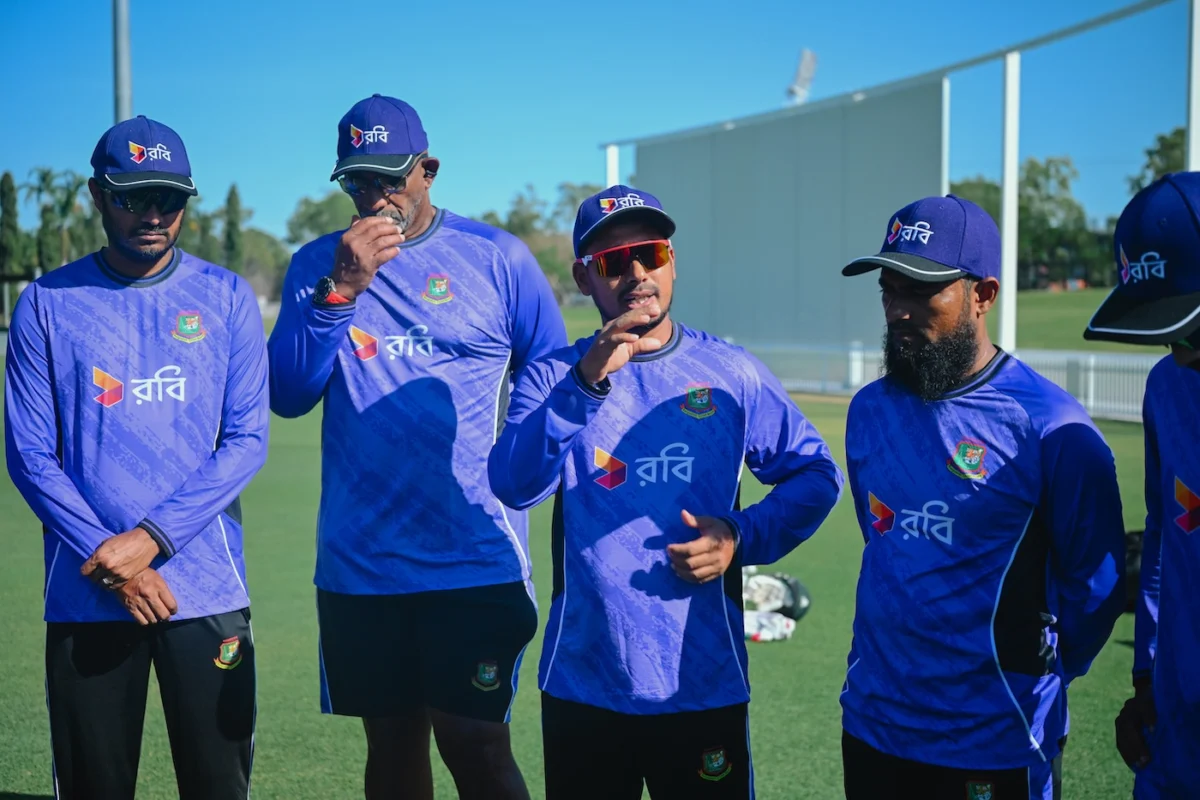
The Bangladesh Cricket Board (BCB) has announced a significant restructuring within the national men’s team coaching staff, moving Mohammad Ashraful away from his position as the primary batting coach. In the wake of this sudden development, the board has swiftly moved to appoint Mohammad Salahuddin, a prominent figure within the country’s high-performance setup, to take over the crucial coaching duties on an interim basis until a permanent successor can be formally recruited and installed.
Mohammad Ashraful, a towering figure in the rich and complex tapestry of Bangladeshi cricket history, had originally been handed the responsibility of guiding the national team’s batting unit in November 2025. His tenure at the helm of the batting group, though brief, carried immense symbolic weight given his legendary status as a former player who once shouldered the hopes of an entire cricketing nation. However, the latest media release issued by the BCB indicates that Ashraful will not be stepping away from the board entirely, but will instead be reassigned to an entirely new role within the broader framework of the organization.
While the high-ranking officials at the BCB confirmed the transition, the board’s official statement remained notably tight-lipped regarding the exact nature, scope, and responsibilities of Ashraful’s new appointment within the establishment. Further details concerning his subsequent portfolio are expected to be unveiled by the board in due course. In the interim, Mohammad Salahuddin will seamlessly step back into the technical hotseat to oversee the batting unit, a role he is fundamentally familiar with. Ironically, Salahuddin had previously functioned as the assistant coach and primary head of the batting department before Ashraful was originally brought in to supersede him. By reinstating Salahuddin on a temporary basis, the BCB has opted for continuity and proven internal experience as the team navigates an immediate and demanding international schedule.
The timing of this coaching shake-up comes at a critical juncture for the Bangladesh national side, which has experienced a mixed bag of fortunes on the global and regional stages. The team’s immediate focus must now pivot toward a demanding upcoming international assignment: a two-Test series against the West Indies, which is scheduled to get underway on October 28 in Mirpur. This series holds immense significance for the Test squad as they look to build momentum, refine their technical approaches against quality bowling attacks, and establish a steady rhythm under the guidance of the newly configured coaching staff.
This latest tactical shift also follows closely on the heels of a disappointing result in the final of the UAE ODI tri-series, where Bangladesh fell short against Afghanistan, dropping the championship match and highlighting certain vulnerabilities within the squad’s batting depth and execution under pressure. The BCB’s decision to instigate a coaching change at this juncture underscores the board’s urgency in addressing these performance concerns ahead of the red-ball fixtures against the Caribbean side.
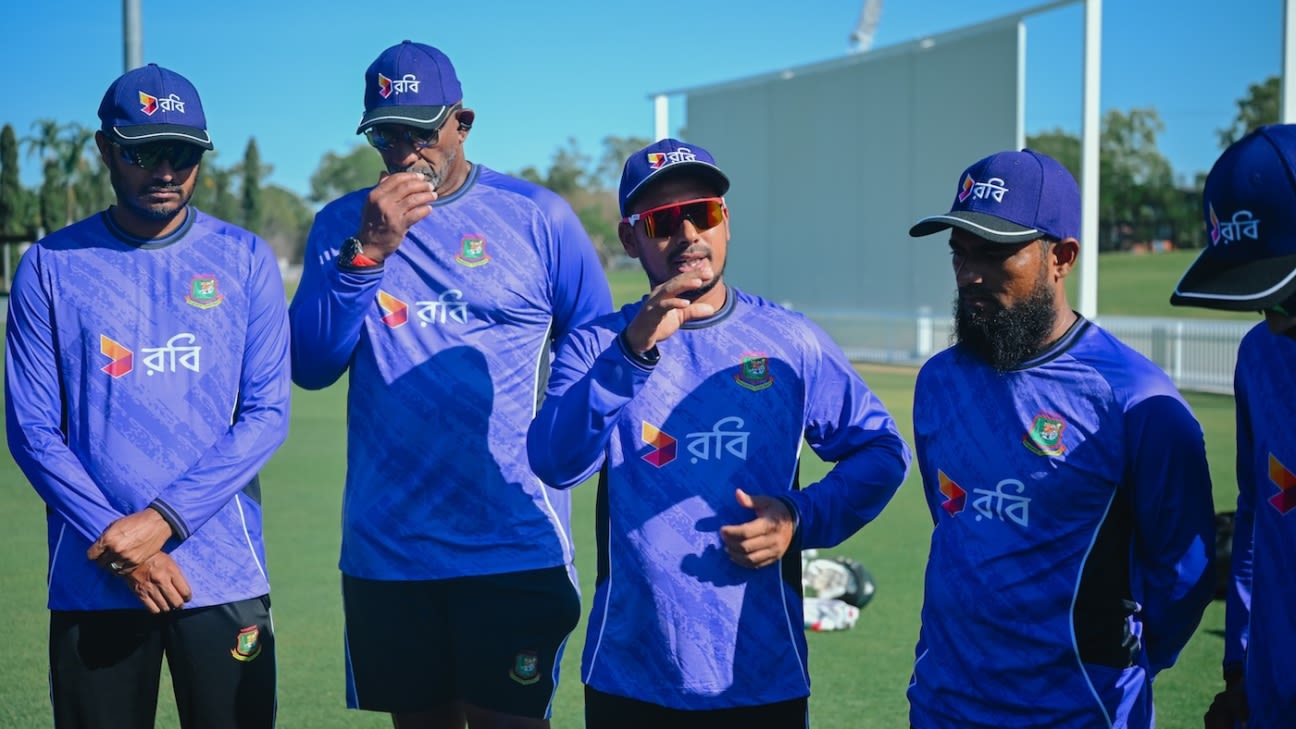
To understand the weight of Mohammad Ashraful’s presence within Bangladeshi cricket, one must look back at a career defined by both extraordinary brilliance and profound controversy. Ashraful’s journey in international cricket is inextricably linked to some of the most golden and historic chapters in the nation’s sporting narrative. He burst onto the global scene as a generational talent at an astonishingly young age. Most notably, he was only 20 years old when he orchestrated and led the team to one of the most stunning and legendary upsets in the history of the sport: a monumental victory over a formidable Australian side in 2005. His sparkling century during that iconic match cemented his status as a national hero and heralded the arrival of Bangladesh as a competitive force on the international stage.
That unforgettable hundred was merely a highlight within a prolific international career that spanned 177 One Day Internationals (ODIs). Over the course of his extensive limited-overs career, Ashraful accumulated 3,468 runs, a milestone that stands as the fifth-highest run-tally for a Bangladeshi batsman in the history of ODI cricket. His prowess was not restricted to the white-ball formats; he also represented his country in 61 Test matches, famously earning the distinction of becoming the youngest player in the history of the game to score a Test century. In addition to his exploits in the longest and middle formats, he also featured in 23 Twenty20 Internationals, demonstrating his adaptability across the evolving landscape of modern cricket. Remarkably, his active involvement in the game extended far beyond his international retirement, as he continued playing competitive domestic cricket as recently as two years ago, retaining a hands-on understanding of the evolving demands of the sport.
However, Ashraful’s narrative has also been shaped by significant turbulence. Like many pioneering figures, his career was marked by steep challenges, dramatic ups and downs. In 2013, the trajectory of his professional life experienced a devastating halt when he was handed a lengthy and severe ban from all cricket-related activities sanctioned by the BCB, stemming from a high-profile match-fixing scandal centered around the Bangladesh Premier League (BPL). The suspension forced him out of the game for several years, creating a dark period in an otherwise celebrated career.
Demonstrating resilience and a enduring passion for the sport, Ashraful served his full suspension and was eventually welcomed back into the wider cricketing fold three years later. Upon completing his rehabilitation and return to cricket administration and domestic involvement, he gradually transitioned away from playing and branched out into the realm of coaching, aiming to pass on his vast technical knowledge and hard-earned life lessons to the next generation of players. His appointment as batting coach in late 2025 was seen by many as a second chance to serve the national team from the sidelines, utilizing his unmatched reading of the game to elevate the struggling batting lineup.
Now, with his departure from the batting coach position and his impending transition to an unspecified new role within the BCB, Ashraful’s chapter as the direct mentor of the national team’s batters has come to a close, at least for the time being. The responsibility now falls squarely upon the shoulders of Mohammad Salahuddin, an esteemed coach known for his technical acumen and deep-rooted relationships within the domestic cricket ecosystem.
As the national squad gathers in Mirpur to put the finishing touches on their preparations for the upcoming two-Test series against the West Indies, all eyes will be fixed on the dugout. The players must quickly adapt to the renewed leadership of Salahuddin, putting aside the administrative and coaching turbulence of the past few weeks to focus entirely on the physical and mental demands of red-ball cricket. With the first Test just around the corner, the BCB will undoubtedly be hoping that this swift and pragmatic transition in the coaching staff will provide the stability, focus, and tactical sharpness required to secure a triumphant performance on home soil.

Comments (0)