


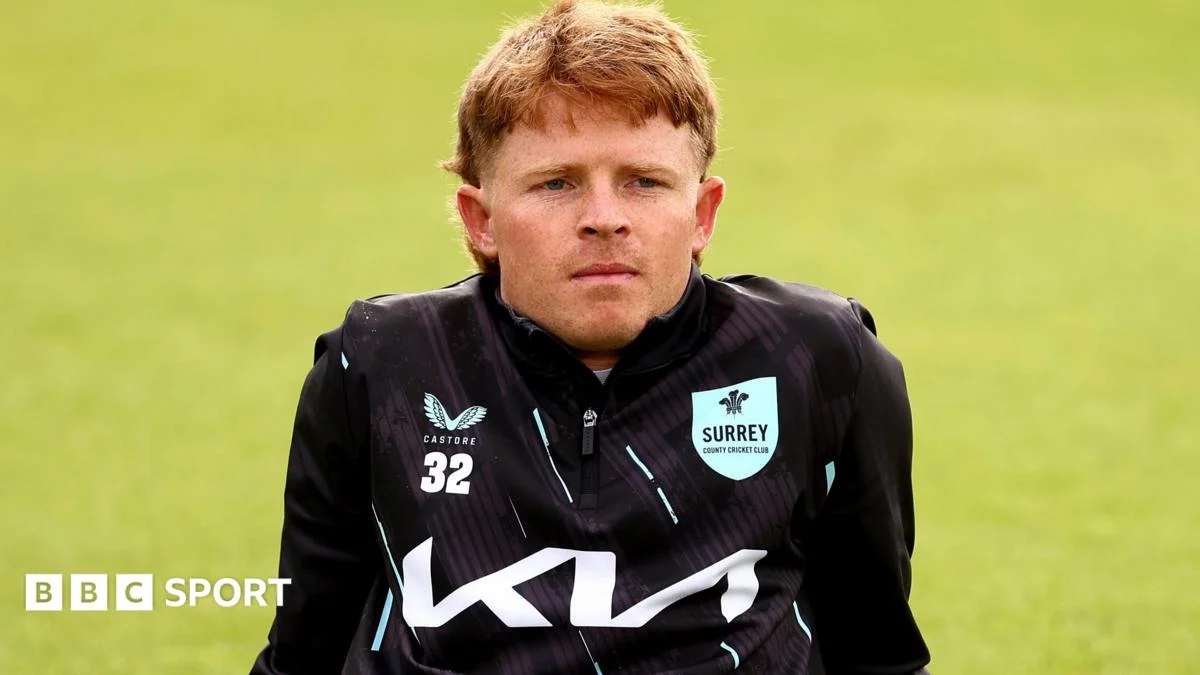
England batter Ollie Pope has officially withdrawn from the upcoming draft for the Afghanistan Premier League (APL), stepping away from a tournament that has sparked significant debate across the sport regarding player contracts, legal boundaries, and ethical responsibilities.
Pope had initially been slated to stand as the only centrally contracted England player in the running for the inaugural edition of the APL, which is scheduled to take place in the United Arab Emirates later this year. However, his decision to pull out ahead of the draft later this month brings clarity to his personal stance on a competition intertwined with complex geopolitical and human rights concerns, arriving independently of discussions held within the England and Wales Cricket Board (ECB).
The announcement follows the confirmation of England’s latest batch of central contracts earlier in the week. During discussions surrounding the roster, ECB Director of Cricket Rob Key addressed the delicate balance between legal obligations and moral judgments when English cricketers seek to participate in privately run overseas franchise leagues.
Under current regulations, any English player wishing to take part in the league would require a No Objection Certificate (NOC) from the ECB. Because Pope holds a central contract as a senior member of the Surrey setup, Key would have played a direct role in deciding his availability for the APL. Yet, it is understood that Pope reached his independent decision to withdraw without external pressure from Key’s perspective on the matter.
Speaking on the Test Match Special podcast, Key elaborated on the unique challenges governing bodies face when handling franchise opportunities in jurisdictions associated with controversial regimes. "Legally it is hard to stop players going over and playing in these competitions," Key explained. "It becomes a moral judgement and players have: to be prepared to take the right moral stance. Personally, and it is easy for me to say, I would not go and play. But it is down to the player to make that decision."
The broader context of English cricket’s relationship with Afghanistan has been fraught since the Taliban returned to power in the country in 2021. In response to the subsequent sweeping restrictions placed on the population, the ECB has consistently refused to schedule bilateral cricket series against Afghanistan. Last year, ECB Chair Richard Thompson forcefully described the Taliban’s systemic oppression of women and girls as "gender apartheid."
Despite the strict freeze on bilateral fixtures, England has continued to play against Afghanistan at major global ICC events, including limited-overs World Cups and the Champions Trophy. This dual approach has frequently drawn scrutiny from politicians and human rights advocates who question the consistency of international sporting bodies.
Reflecting on the underlying ethical dilemmas, Key added, "I don’t agree with the way women have been treated in Afghanistan. The way things happen out there is not something I agree with so it is not something I would go and do."
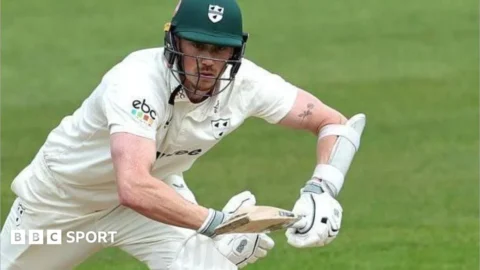
Pope has recently been handed a fresh 12-month central contract by the ECB, despite not having featured in international cricket since the third Ashes Test in Australia last December. Over the course of his career, he was recalled to the Test squad for the home summer series against Pakistan and has notably stood in as captain on six occasions, including leading the side against India at The Oval in 2025. When asked if he had made his personal feelings clear to the batsman during contract discussions, Key noted, "I had that conversation and Ollie will have to make his decision."
The debate surrounding cricket’s engagement with Afghanistan extends far beyond the boardroom, drawing intense political scrutiny. Prior to England’s last meeting with Afghanistan at the 2025 Champions Trophy, Labour MP Tonia Antoniazzi led vocal calls for the fixture to be boycotted entirely.
In an interview with BBC Sport last September, Antoniazzi raised pointed questions regarding the international community’s inaction. "Why are we here again? Women and girls in Afghanistan are denied the same rights as those in our country, and the women’s team lives in exile," she said. "Does that not concern the players, especially those with daughters, sisters or mothers? I hope the International Cricket Council (ICC) refuses to sanction this event. Continuing to allow Afghanistan full member status makes a mockery of its own membership criteria."
While Pope has chosen to withdraw from the APL draft, several other prominent English cricketers remain entered into the system. Former England batter Dawid Malan has put his name forward, alongside experienced campaigners such as Moeen Ali, James Vince, and Somerset’s James Rew, who made his Test debut as recently as June.
Addressing the difficult position players are placed in, Malan shared his perspective on the Test Match Special podcast. "As players we take our guidance from the ICC and the boards," Malan said. "As a player it is tough because you have what is morally right and what is by the law. I have a daughter and I want her to play sport and get into sport and enjoy it. I fully understand the argument, but at the end of the day I am a cricketer and need to be able to pay my rent and be able to earn a living while I can."
Malan also pointed to the apparent contradictions in how international governing bodies structure the calendar. "England don’t play bilateral series against Afghanistan, but they do play them in World Cups — what’s the difference? As players, you sometimes want a board decision to be made that says ‘we don’t think this is right, we are making a stance against it’, then the players will buy into it. I don’t think anyone agrees with what is happening in Afghanistan, but once something gets approved you sit there as players and say: ‘It’s a job, and I have to play and do what I need to do’, then you’re stuck in a position of what is morally right and what is morally not."
The wider debate has also drawn commentary from player representatives and agents navigating the intersection of politics and professional sports. Dean Ahmad, an agent who represents former England all-rounder Moeen Ali, took to social media to highlight the complexities of applying selective moral standards to athletes.
Writing on X, Ahmad stated, "Morality in sport matters, but so does consistency. The Taliban’s treatment of women is indefensible. Yet why are cricketers singled out while governments and corporations maintain ties with states accused of serious human rights abuses. Selective outrage isn’t morality."
With the draft fast approaching and players left to weigh professional livelihoods against personal ethical considerations, Pope’s withdrawal underscores the individual weight carried by modern cricketers as the sport grapples with global political realities.

Comments (0)