


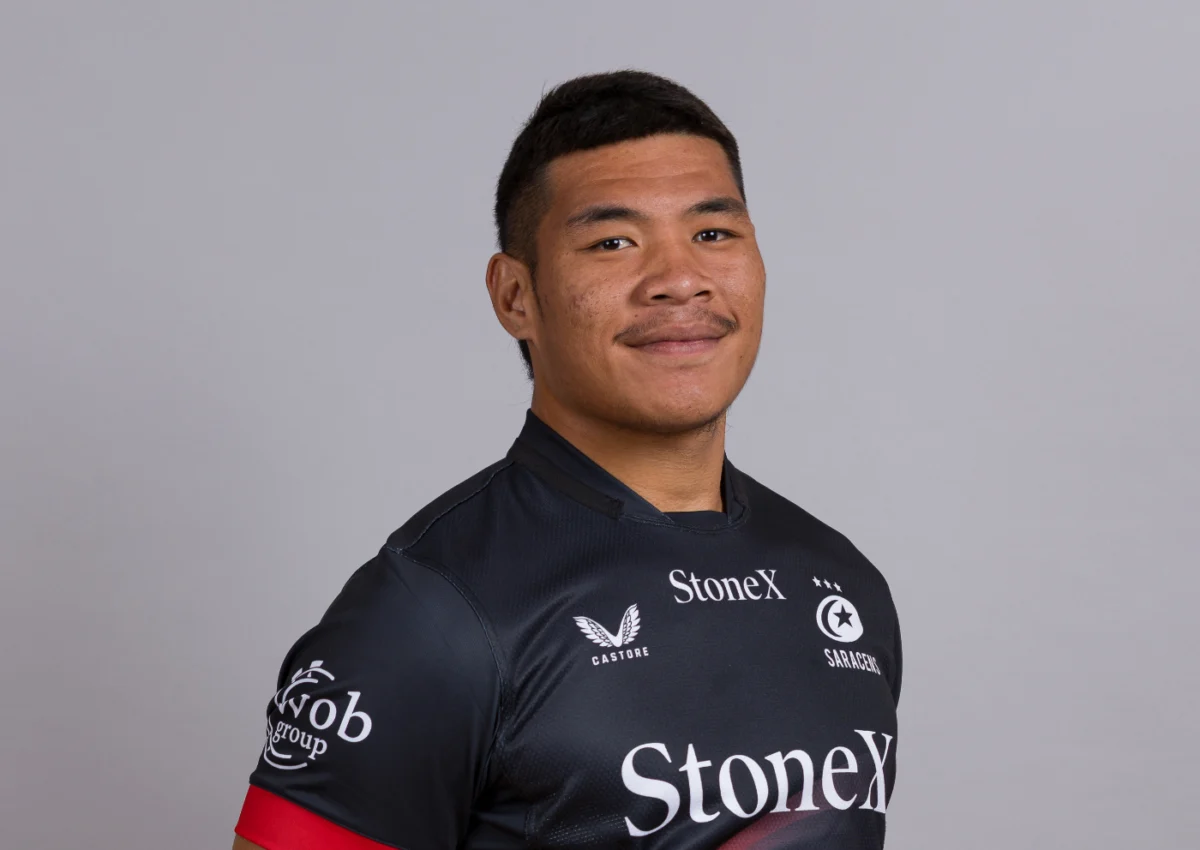
Totoa Auvaa, the young rugby player whose violent punch in a London nightclub earlier this year unexpectedly plunged English cricket into a major sporting crisis, has officially been sacked by Saracens. The dismissal comes in the wake of a swift and decisive internal club investigation into a completely separate incident that occurred over the weekend, effectively cutting short the promising career of the 21-year-old academy player.
The fallout from Auvaa’s actions highlights the stark differences in how sporting organizations handle off-field misconduct and the profound, sometimes unintended ripple effects that high-profile incidents can have across different sporting codes. For Auvaa, the journey from a talented prospect in the Saracens senior men’s academy to an outcast has been swift, triggered by a pattern of behavior that his former club ultimately determined was incompatible with its core values and professional standards.
The origins of public awareness regarding Auvaa trace back to a chaotic night in June at the Rex Rooms nightclub located in the upscale Chelsea district of London. On that night, Auvaa landed a forceful punch directed toward England cricketer Gus Atkinson. Instead of striking the cricketer, however, the blow connected with a member of England’s security staff, setting off a chain reaction of events that quickly escalated from a local disturbance into a national sporting controversy.
The immediate consequences of the Chelsea nightclub altercation severely disrupted the England men’s cricket team during a crucial period of their international calendar. Prompted by the shocking nature of the fracas, the England and Wales Cricket Board (ECB) took rapid disciplinary action, suspending both Gus Atkinson and Test captain Ben Stokes—who was also present at the venue during the incident—for England’s second Test match against New Zealand. The suspensions were enacted while the cricket authorities initiated a thorough investigation to determine the exact nature and extent of the players’ involvement and conduct.
Weeks of intense scrutiny followed. Ultimately, both cricketers were cleared of violent conduct by the independent Cricket Regulator. Furthermore, the ECB’s own formal investigation concluded that while Stokes and Atkinson had indeed "breached specific contractual obligations" by being out during an unauthorized time or violating team curfews, no blame whatsoever could be attached to either player for the physical violence that occurred in the club.
Despite being cleared of the violence, the lingering psychological and professional toll of the saga proved immense. Ben Stokes, one of the most iconic figures in modern English cricket, repeatedly intimated that the nightclub saga, combined intensely with what he perceived as the ECB’s heavy-handed and mishandled response to the crisis, weighed heavily on his mind. The stress of the ordeal contributed directly to his sudden and emotional retirement from international Test cricket at the end of that same month, leaving the English cricket setup reeling from the loss of its inspirational leader.

In stark contrast to the severe penalties handed down to the cricketers by their governing body, Saracens publicly stood by Auvaa at the time of the June incident. The professional rugby club offered backing to the 21-year-old, while simultaneously appearing to criticize the ECB’s handling of the situation. Saracens officials and affiliates hinted at the time that the cricket board might have rushed through its investigation without fully considering all the surrounding circumstances or the vulnerability of a young athlete caught up in a high-pressure environment.
Adding a human perspective to the initial defense, Jamie George, the distinguished England international hooker and Auvaa’s senior Saracens teammate, offered a candid assessment of the youngster’s state of mind during the height of the cricket crisis. George famously described Auvaa as acting like "a rabbit in the headlights," noting with a mixture of concern and sympathy that the young player "doesn’t know right from wrong at the minute," pointing to the overwhelming nature of sudden media exposure and public scrutiny for an academy-level athlete.
However, any protective umbrella that Saracens was willing to offer following the Chelsea incident was permanently dismantled this weekend following a fresh allegation of violence. Reports emerged detailing a separate altercation in St Albans over the weekend, during which Auvaa allegedly punched another man. The recurrence of violent behavior involving the same player forced the club to reassess its stance and act decisively to protect its reputation and organizational culture.
The response from Saracens management was immediate. On Monday morning, the club released an initial statement confirming that they were launching a comprehensive and thorough internal investigation into the actions of an unnamed academy player following reports of the St Albans incident. The speed at which the club moved indicated the gravity with which they viewed the weekend’s events, especially given Auvaa’s recent history and the sensitivity surrounding his previous involvement in the summer cricket scandal.
Later that same day, any lingering doubts regarding the player’s future were firmly put to rest. Saracens issued a follow-up statement confirming that Totoa Auvaa had officially left the club with immediate effect, bringing a premature and disgraced end to his tenure within the elite rugby environment.
In their definitive statement regarding the dismissal, Saracens emphasized the non-negotiable nature of the standards expected from everyone associated with the organization. The club stated: "Saracens can confirm that Totoa Auvaa, a member of the senior men’s academy, has left the club with immediate effect. Following an incident this weekend, the club has determined that his conduct falls short of the standards expected of everyone who represents Saracens, both on and off the pitch."
The club’s leadership went on to underscore their broader institutional commitments and the weight of responsibility they carry toward their fanbase, community partners, and aspiring young athletes who look to professional rugby players as role models. "We take our responsibilities to our supporters, young people and partners seriously and we remain committed to upholding the standards of our conduct expected across the club," the statement continued. In closing their communication, Saracens officials signaled a desire to draw a firm line under the disruptive episode, adding that the organization would not be making any further public comment on the matter.

Comments (0)