


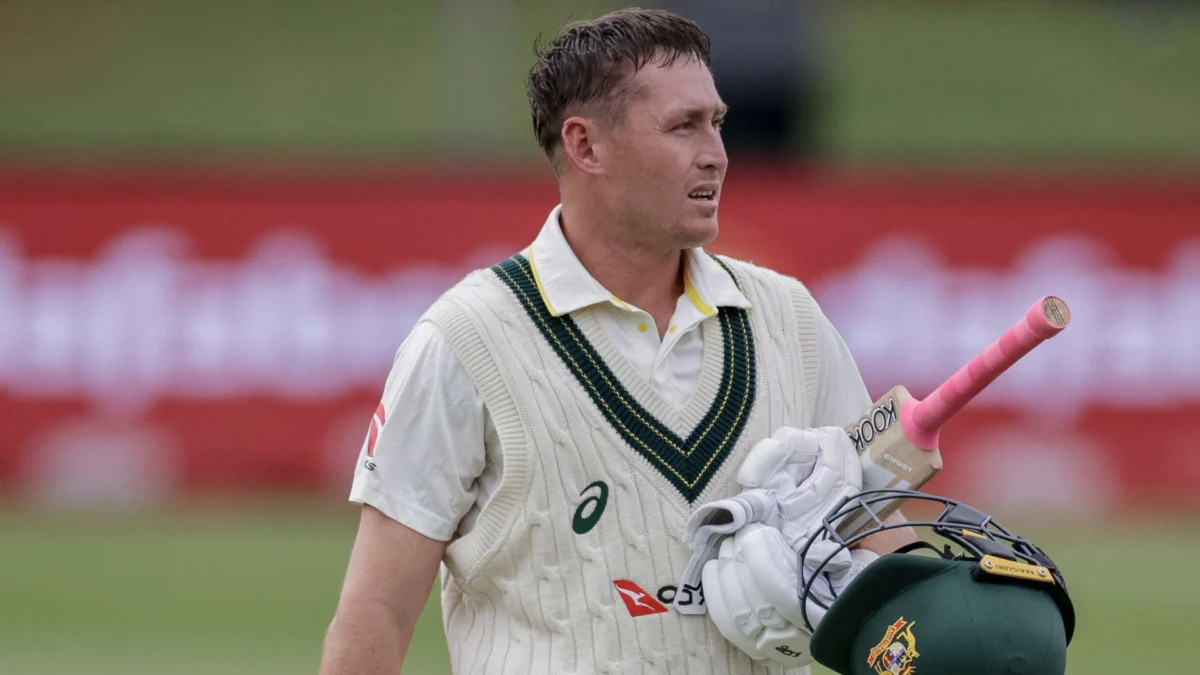
With the three-Test series level and hanging in the balance, live on Sky Sports Cricket, the current touring party finds itself fighting not only to secure a prestigious overseas series victory but potentially to save the professional futures of several senior players and key figures within the Australian cricket setup. Following a humbling defeat by an innings and 31 runs in Gqeberha, where the visitors were sensationally dismantled for just 99 in their first innings, the Baggy Greens are in desperate need of a comprehensive and immediate response. Should they fail to rise to the occasion this week, the backlash from the notoriously unforgiving Australian media could prove to be even more abrasive than the piece of sandpaper Cameron Bancroft attempted to conceal down his trousers eight years ago.
The underlying vulnerability of Australia’s batting lineup has been apparent for a sustained period. During the winter 4-1 Ashes thrashing of England, the innings were largely held together by the resilient contributions of Travis Head, Steve Smith, and wicketkeeper-keeper Alex Carey while the rest of the batting order struggled for consistency. That same fragility has plagued the team in South Africa, where the tourists have managed a meager total of only three individual scores exceeding fifty across the series—one coming from Head and two from Matt Renshaw.
Without the intervention of Head in Durban, the situation for the tourists would have been significantly grimmer. His brilliant second-innings knock of 121 runs accounted for an astonishing 81 more runs than the next highest score registered by any of his Australian teammates in that match. Even the legendary Steve Smith, who received a severe ban for his leadership role as captain during the 2018 Sandpapergate incident alongside Bancroft and David Warner, has endured an uncharacteristically stuttering tour. Smith’s returns have included three innings yielding scores in the twenties alongside a single-digit knock of three.
Furthermore, Smith was visibly hampered by a persistent neck problem during the second Test in Gqeberha and now faces a tense, late fitness test ahead of the winner-takes-all Cape Town finale. If he fails to prove his fitness, his potential absence could inadvertently bolster Marnus Labuschagne’s increasingly tenuous hopes of retaining his place in the starting XI.
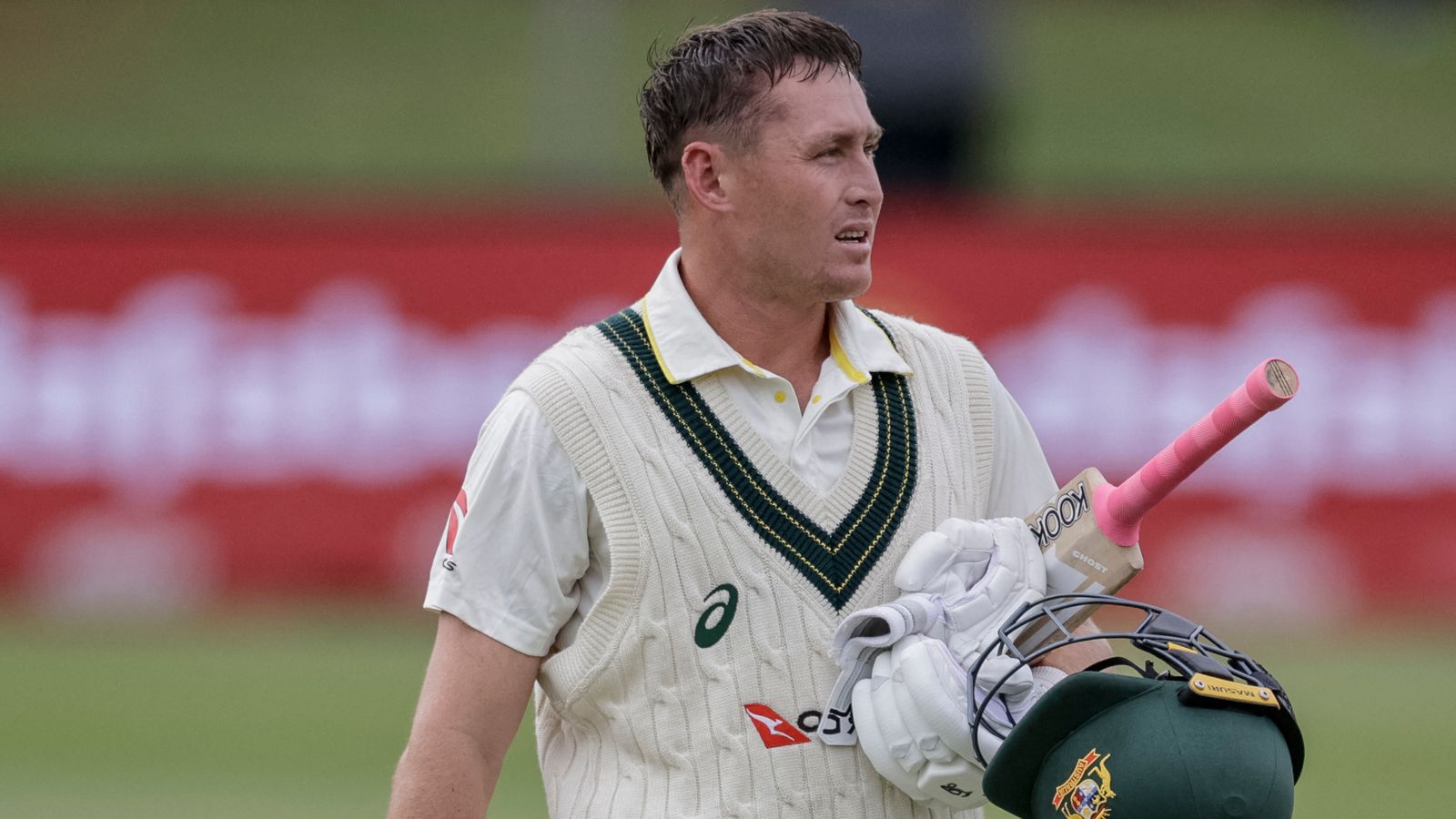
Labuschagne and selector Bailey under big pressure?
Former Australia captain Ricky Ponting previously branded Labuschagne’s position in the Test team as "untenable" following a lean return during a home series against Bangladesh that left him without a Test century in 43 innings—a drought stretching all the way back to the 2023 Ashes series in England. That barren run has now been extended to 47 innings. While Labuschagne has shown an ability to get starts in South Africa, the country of his birth, reaching the thirties in three of his four outings, he has repeatedly failed to convert those starts into substantial, match-defining innings.
His dismissals on this tour have highlighted technical and mental struggles: pinned lbw, slicing loosely to cover, falling to a brilliant catch by Simon Harmer at gully, and culminating in a careless dismissal when he inexplicably holed out to long-on during the second innings of the second Test as Australia desperately tried to salvage a draw. If he is omitted from the team this week, it could spell the end of his current Test career. Should he play and fail once more, the outcome is likely to be identical. Moreover, if the Australian team as a whole falters in Cape Town, the pressure will inevitably intensify around head selector George Bailey.
Former skipper Steve Waugh observed prior to the Ashes that Bailey had previously demonstrated a reluctance to make the difficult, decisive selection calls required at the highest level. Meanwhile, the controversial selection of the now-jettisoned Nic Maddinson for the South Africa tour drew sharp public criticism at the time from former Test opener Matthew Hayden.
Maddinson ditching after recall highlights Australia’s issues
Nic Maddinson, 34, had not played a competitive first-class fixture since March 2025 due to a serious testicular cancer diagnosis, and his previous Test experience consisted of an average of 6.75 across his first three appearances back in 2016. Hayden openly accused the selection panel of "disrespecting first-class cricket" and "promoting the greatest pile of mediocrity that we’ve seen in a generation of cricket" by recalling him.
Maddinson’s performances on tour ultimately failed to justify the bold selection, as he finished the series with a paltry batting average of 14 after accumulating just 56 runs from four knocks. That tally included 48 runs in a single innings, punctuated by a 33-ball duck, a four-ball duck, and an eight-run score from ten balls. He has since been released from the touring squad, with Matt Renshaw poised to open the batting alongside Travis Head in Cape Town.
While widespread public sympathy naturally accompanied Maddinson given his challenging health battle, his on-field struggles raised legitimate questions regarding whether a younger, in-form prospect should have been handed the opportunity instead. Promising talents such as Ollie Davies, Sam Konstas, Campbell Kellaway, and Nathan McSweeney were all viable candidates. However, the broader structural problem facing Australian cricket is that, unlike previous eras when the nation boasted a deep pool of domestic players averaging north of 40 and consistently churning out runs in both the Sheffield Shield and English county cricket, those ready-made replacements are currently absent. The emerging prospects mentioned previously currently average in the mid-30s or lower in first-class cricket, leaving selectors with few ideal choices.
Will Bavuma extend excellent record as captain?
South Africa, by stark contrast, possess a remarkably reliable and consistent source of runs in captain Temba Bavuma. Following his magnificent, patient knock of 179 runs from 334 balls in Gqeberha, Bavuma’s batting average stands at an impressive 49.95 across his last 28 Test matches. His gritty century in the last outing was constructed after he walked to the crease with his side reeling at 12-2.
Bavuma remained a calm presence at the other end as the Proteas subsequently slumped further to 110-6, before shepherding a remarkable lower-order recovery that pushed the total to 425-9. That performance ultimately set up a resounding victory, leaving him to celebrate a remarkable 12th win in 14 Tests as captain of his country. For South Africa, the Cape Town finale presents a golden opportunity to extend that record to 13 wins from 15 matches, unless a beleaguered Australian side can summon a miraculous turnaround. Unlike their troubled visit in 2018, any successful recovery this time around will need to be achieved strictly within the rules of the game.
The series-deciding third Test between South Africa and Australia in Cape Town is broadcast live on Sky Sports Cricket and Sky Sports Main Event.

Comments (0)