


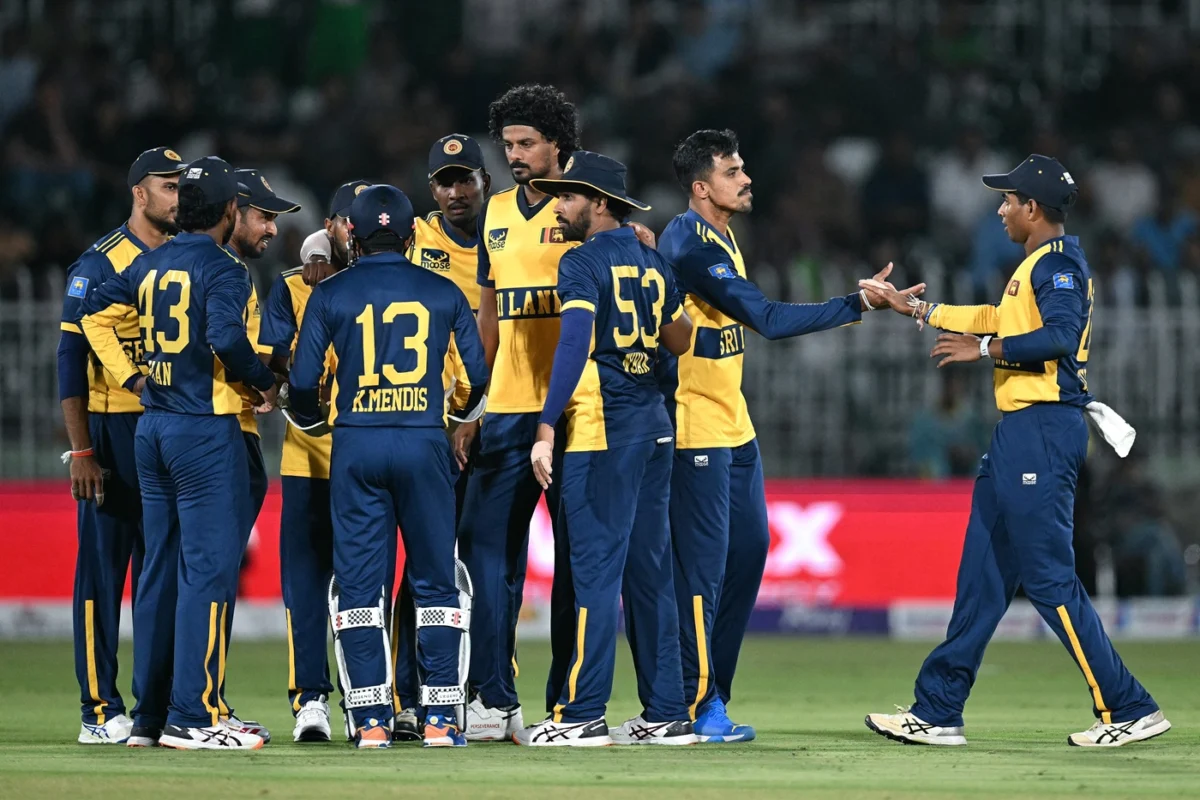
Sri Lanka won their third consecutive toss of the tour and elected to bowl first in the third and final T20I against Pakistan, hoping to salvage a consolation victory in a series that has already slipped from their grasp. Having suffered comprehensive defeats in the opening two encounters of the three-match series, the visiting side entered the final fixture aiming to address a dismal run of form that has seen them drop 16 of their 23 T20I fixtures since the turn of the year, securing just six victories over that span.
The visitors’ inability to find consistent momentum in the shortest format of the game has been a persistent theme throughout 2026. Sri Lanka have not tasted success in a bilateral T20I series since September 2025, a statistic that underscores the depth of their current struggles on the international stage. Their difficulties were once again laid bare during the first two matches of the current tour, where Pakistan outplayed them across every department. Recognizing the urgency of the situation, Sri Lanka captain Kusal Mendis candidly acknowledged ahead of the match that his team needed significant improvements across all three facets of the game—batting, bowling, and fielding—if they were to remain competitive against a confident home side.
For Pakistan, the atmosphere in the camp was markedly different. Led by a jovial Sahibzada Farhan, the hosts found themselves in the enviable position of having pleasant tactical problems to solve. Having already unassailably secured the series with commanding performances in the first two matches, the Pakistan team management opted to use the dead rubber as an opportunity to test the depth and resilience of their bench strength. Farhan and the selection panel made four notable changes to the playing XI, resting key personnel to give valuable international exposure to emerging talent.
The home side brought in Razaullah, Arafat Minhas, Sufiyan Moqim, and Abdul Samad for the third encounter. Making way for the incoming quartet were frontline bowler Naseem Shah, mystery spinner Abrar Ahmed, all-rounder Shadab Khan, and opening batter Saim Ayub. These strategic rotations allowed Pakistan to evaluate alternative combinations while maintaining a competitive core.
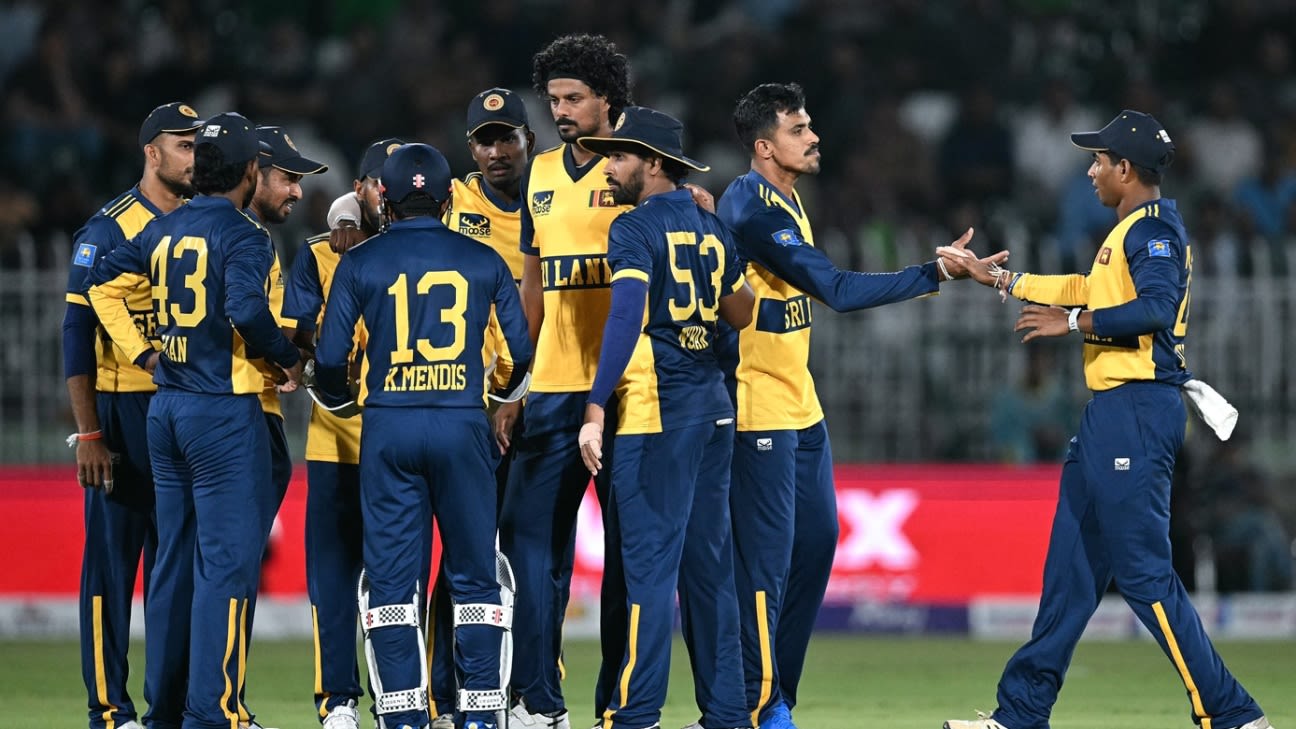
Sri Lanka, meanwhile, made a solitary adjustment to their starting lineup, bringing in legspinner Vijayakanth Viyaskanth to replace Maheesh Theekshana in a bid to inject a different variety into their bowling attack. The visiting camp anticipated that the pitch in Rawalpindi would once again offer favorable conditions for stroke-making, prompting discussions around a target in the vicinity of the 200-run mark to put pressure on the Pakistan batting lineup.
As play got underway, the tactical shifts from both captains set the tone for an intriguing contest. Pakistan’s rejigged batting order featured Fakhar Zaman opening alongside captain Sahibzada Farhan, followed by Maaz Sadaqat at number three and Hasan Nawaz at number four. Abdul Samad slotted into the middle order at five, supported by wicketkeeper-batter Khawaja Nafay at six and all-rounder Arafat Minhas at seven. The lower order and bowling responsibilities were shouldered by Mohammad Imran, debutant Razaullah, Salman Mirza, and legspinner Sufiyan Moqim.
Sri Lanka’s chase for a consolation win rested on an XI featuring Lahiru Udara and Sineth Jayawardena at the top of the order, with captain and wicketkeeper Kusal Mendis anchoring the innings at number three. Middle-order stability was expected from Kamindu Mendis, Sahan Arachige, and veteran all-rounder Dasun Shanaka, while Chamindu Wickramasinghe, Vijayakanth Viyaskanth, Eshan Malinga, Binura Fernando, and Nuwan Thushara rounded out the bowling attack. With the series already decided, the final fixture offered Pakistan a chance to inspect their future prospects and Sri Lanka a final opportunity to rediscover their winning formula before the tour concluded.



Comments (0)