


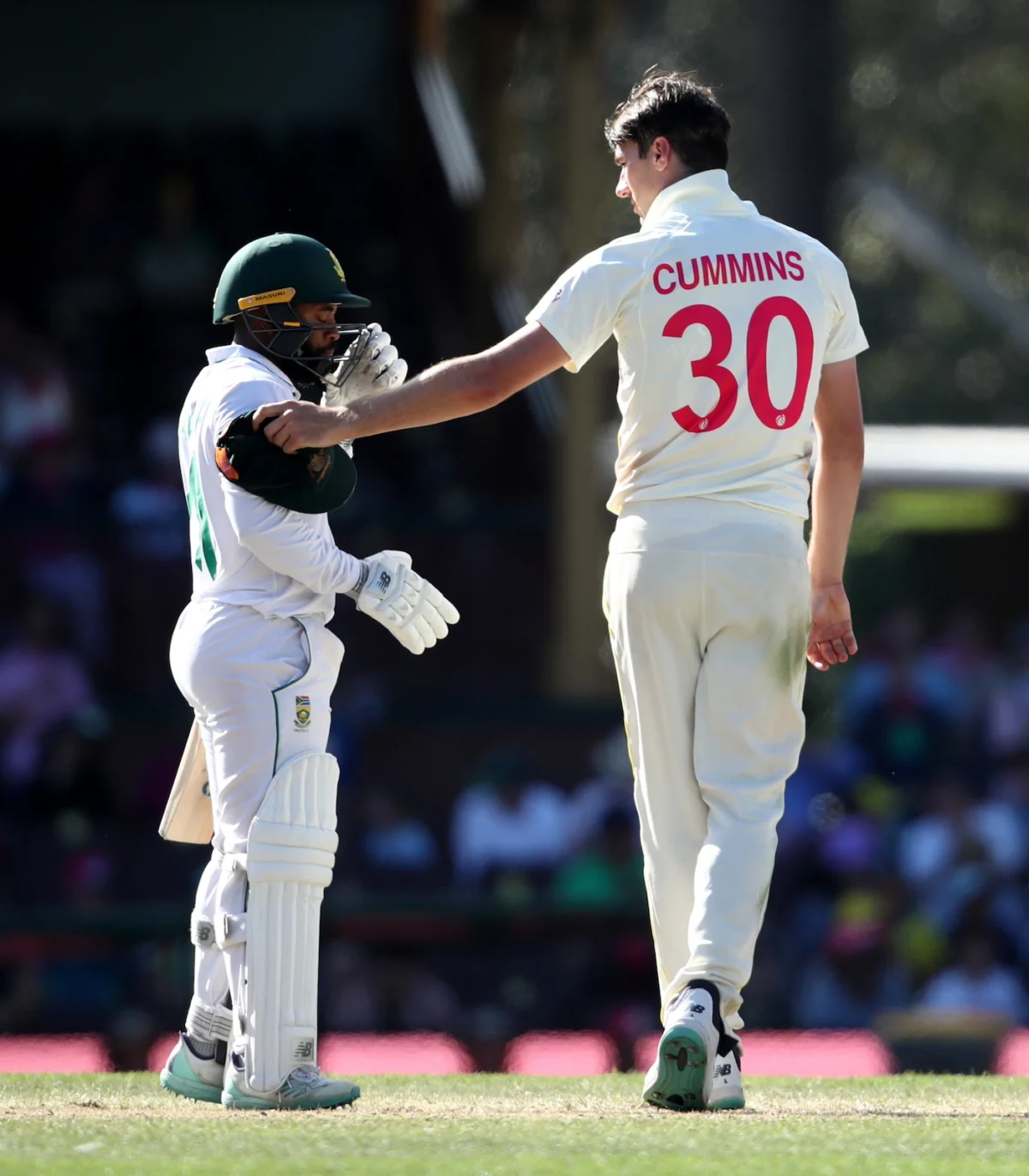
The much-hyped Test series between two of the red-ball game’s heavyweights may not have consistently scaled the dizzying heights anticipated by purists, but it has indisputably arrived at a riveting, high-stakes conclusion. With the World Test Championship mace and the coveted No. 1 ranking hanging in the balance, Australia and South Africa are set to lock horns in a Cape Town finale that promises everything the preceding encounters teased.
Thus far, the series has been defined by its unpredictability. In each of the opening two Tests, the eventual victors were forced to orchestrate monumental rescue missions after finding themselves in perilous early trouble with the bat. Yet, despite these dramatic momentum shifts, the final scorelines have ultimately proved lopsided. Both teams have endured a collective off-day that left their respective coaching staffs searching for answers.
South Africa’s early stumble came during a rusty outing at Kingsmead, where the hosts were understandably shaking off the cobwebs after enduring an exhaustive, nearly year-long hiatus from Test cricket. Australia’s subsequent head-scratcher at St George’s Park, meanwhile, stands out as comfortably one of the poorest performances produced under Pat Cummins’ tenure as captain.
Both Tests tantalized spectators with the prospect of nerve-jangling, down-to-the-wire finishes, only to fizzle out well before the final session. The atmosphere throughout the tour has occasionally felt subdued, hampered by sparse crowds due to a variety of logistical and scheduling reasons. Furthermore, the crackling hostility that has historically defined so many fiery contests between these two fiercely competitive nations has mostly remained absent. Mother Nature also played a disruptive role, with bad light prematurely halting play in Durban and persistent rain severely impacting proceedings in Gqeberha.
Yet, despite all these interruptions and stuttering performances, the stage is perfectly set for a mouth-watering crescendo at Newlands. An under-pressure Australia arrives in the scenic port city facing the lingering ghosts of past traumas, though their public messaging remains firmly anchored on resolving ongoing structural and tactical problems.
The Broader Horizons and the Ghosts of Newlands
For Australia, this clash is merely the opening salvo in a grueling, marathon Test match cycle. Much of the wider cricketing spotlight is already fixed on upcoming, marquee tours of India and England—arduous campaigns that represent what is likely the final chance for many members of an ageing squad to taste elusive series success in those notoriously difficult conditions.
However, looking back closer to home, the current landscape offers little comfort. Aside from veteran batting mainstay Steven Smith and metronomic spinner Nathan Lyon, not a single player in the touring Australian squad has experienced the sweet taste of a Test series victory on South African soil. For several key figures, Cape Town represents the absolute last opportunity to correct that glaring omission on their respective résumés.
Naturally, the infamous events that unfolded at Newlands over eight years ago will inevitably be dragged back into the headlines and rehashed by pundits and fans alike. Despite the historical baggage, Australia’s camp insists they have far too many pressing on-field fires to put out to allow themselves to be distracted by the ghosts of the past.
Batting Woes and Selection Dilemmas
After Matt Renshaw and the lower-order tail-enders managed to paper over significant cracks during a tumultuous opening Test, Australia’s long-standing batting vulnerabilities hit a definitive nadir during a disastrous first-innings capitulation in the second match.
The ensuing public outcry has been swift and vocal, with an increasingly agitated Australian cricket public demanding sweeping changes. Selectors are guaranteed to make at least one alteration, with all-rounder Cameron Green poised to return directly to the playing XI after recovering from his injury. However, whether the selection panel will enact mass structural changes or instead opt to grant one final lease of life to struggling incumbents—such as under-fire No. 3 Marnus Labuschagne and utility all-rounder Beau Webster—remains a closely guarded secret. Compounding these selection headaches is a late-breaking curveball concerning Steven Smith, who is managing an ongoing neck problem that requires careful monitoring.
Underlining the palpable uncertainty within the camp, Australia will almost certainly deploy a reshuffled batting order for the series decider. Even if this makeshift lineup takes the field in Cape Town, it could look noticeably different again by the time the home Test summer rolls around, especially given that several fringe contenders have already started the domestic Sheffield Shield season in brilliant form.
While Australia’s travails have dominated the pre-match headlines, South Africa are not entirely immune to selection headaches of their own. The hosts suffered a major blow when express pace bowler Anrich Nortje was officially ruled out of the series-decider after sustaining a mild groin injury during the grueling second Test.
Temba Bavuma’s side bounced back with admirable resilience after suffering their first defeat under his astute captaincy. The triumphant return of spearhead Kagiso Rabada lit a fierce fuse for a heavily pace-oriented South African attack that aggressively roughed up the tourists and mercilessly exposed Australia’s technical and mental fragilities.
For the Proteas, securing a series victory would carry immense emotional and historical weight. Their memorable triumph in 2018 marked their first home series win against nemesis Australia since readmission to international cricket. Capturing another series win now would provide them with significant, invaluable momentum ahead of the second leg of a blockbuster summer that includes engagements against England.
Furthermore, the stakes are elevated by the rankings. South Africa will ascend to the coveted No. 1 spot in the official Test rankings should they secure a victory in Cape Town. Such an achievement would further burnish Bavuma’s growing leadership legacy and sit exceptionally well alongside the World Test Championship mace they currently hold in their trophy cabinet.
For Australia, escaping with a draw would mathematically suffice to maintain their top-dog status atop the rankings. However, Cummins and his men will undoubtedly be gunning for much more. A comprehensive win would successfully quieten the external noise, validate their ongoing transition, and deliver long-awaited redemption in a port city that holds deeply negative connotations for Australian cricket.
Form Guide
Heading into the final showdown, the recent trajectories of both sides present an interesting contrast. South Africa enter the contest with a strong recent run, boasting four wins and a single loss in their last five completed Test matches, listed in reverse chronological order as W-L-W-W-W. Australia, by comparison, have experienced a more turbulent patch of form over the same sample size, recording three victories and two defeats encapsulated by a L-W-W-L-W sequence.
In the Spotlight: Steven Smith and Aiden Markram
All eyes will inevitably be trained on Steven Smith as he returns to the very venue that served as the lowest point of his illustrious professional career. Thus far, the tour has resolutely refused to script itself to Smith’s liking. He endured a frightening concussion scare during the opening encounter before a troublesome neck began restricting his movement in the subsequent match. In Gqeberha, Smith perished in unusually tame fashion during the second innings, swiping wildly and uncharacteristically at a short ball from Rabada to present a catch at mid-wicket.
Throughout the series, Smith has evidently lost the tactical battle against his old adversary Rabada, looking jarringly unsettled when confronted with high-paced, hostile bowling. At 37 years of age, the veteran right-hander is inevitably facing external questions regarding his long-term Test cricket mortality, though he has famously proven capable of answering his doubters on numerous past occasions.
South Africa has historically proven to be uniquely difficult terrain for Smith. He currently boasts a modest average of 35.28 in the country, a stark contrast to his imposing career Test average of 55.29. Apart from brief two-Test stints in Bangladesh and the United Arab Emirates, Smith averages in excess of 50 in every other major Test-playing nation. As he steps out in what is likely his final Test match appearance on South African soil, Smith will be desperate to wind back the clock one last time. Doing so would not only provide a massive psychological tonic for the Australian dressing room but also allow him to bow out of the country on a resounding high note.
For the hosts, the spotlight shines brightly on opening batsman Aiden Markram. Much like Australia experienced in the previous outing, South Africa’s top order struggled for fluency before being rescued by a tactical masterclass from Bavuma, who received robust support from the lower-order resistance. Despite these contributions, the Proteas’ batting order still harbors lingering vulnerabilities that a fired-up, frustrated Australian bowling attack will be eager to exploit.
To counter that threat, South Africa will rely heavily on Markram to set the tone early and successfully blunt the new-ball threat. Markram has looked in sublime touch throughout the duration of the series, a rhythm punctuated by an indefatigable, gritty knock of 75 in the second innings at Kingsmead, even if he ultimately failed to convert it into a triple-figure score.
Markram arrives at the finale feeling primed and confident. Historically, Australia seem to consistently bring out the absolute best in him; across seven career Tests against the Baggy Greens, he maintains a formidable average of 56.84, including three well-crafted centuries. If Markram can successfully extend that impressive trend at Newlands, South Africa’s collective probability of securing a famous series victory will rise exponentially.
Team News: Coetzee Comes In, Australia Sweat on Smith
In the home camp, fast bowler Gerald Coetzee has been officially confirmed as the direct replacement for the injured Anrich Nortje, slotting seamlessly into an otherwise unchanged South Africa playing XI.
South Africa (Confirmed): 1 Aiden Markram, 2 Marques Ackerman, 3 David Bedingham, 4 Temba Bavuma (capt), 5 Matthew Breetzke, 6 Ryan Rickelton (wk), 7 Wiaan Mulder, 8 Marco Jansen, 9 Simon Harmer, 10 Gerald Coetzee, 11 Kagiso Rabada.
For the tourists, Cameron Green is set to make his anticipated return to the starting lineup. Nic Maddinson will drop out of the side, while Matt Renshaw is expected to shift back up to his preferred opening position. Beyond those structural alterations, several major question marks linger, with management waiting anxiously on the results of a final fitness test concerning Steven Smith’s back.
Australia (Possible): 1 Travis Head, 2 Matt Renshaw, 3 Marnus Labuschagne, 4 Steven Smith, 5 Cameron Green, 6 Alex Carey (wk), 7 Beau Webster, 8 Pat Cummins (capt), 9 Mitchell Starc, 10 Nathan Lyon, 11 Josh Hazlewood.
Pitch and Conditions: Dry Surface, Sunny Skies
Curators have left approximately six millimeters of live grass on the Newlands surface, which is notably on the drier side. South African captain Temba Bavuma noted in his pre-match assessments that the pitch could well play with characteristics similar to the surface encountered during the second Test.
In overwhelmingly welcome news for players and spectators alike—particularly following the frequent rain interruptions that plagued the second Test—mostly sunny weather conditions are forecast to persist throughout the duration of the match, accompanied by relatively mild temperatures that should offer ideal playing conditions for a series finale.


Comments (0)