



Fast bowler Taskin Ahmed did not mince words following Bangladesh’s disappointing 99-run defeat to Zimbabwe in their opening match of the UAE tri-series in Abu Dhabi, describing the result as a stark "reality check" for a side struggling to convert individual talent into collective success.
The match began with early promise for the Bangladesh bowling attack, which quickly dismantled the top order and reduced Zimbabwe to a precarious 24 for 3. However, Bangladesh failed to apply the finishing blow when it mattered most. A resilient 150-run fourth-wicket partnership between Craig Ervine and Brendan Taylor shifted the momentum of the innings entirely. Although the Bangladesh bowlers managed to claw their way back with a flurry of late wickets, restricting Zimbabwe to a competitive total of 271 for 8 in their allotted 50 overs, the damage of the partnership had already been done.
The run chase started on a high note, propelled by Tanzid Hasan, who adopted an aggressive approach from the outset to put the opposition on the back foot. Yet, the complexion of the match changed in an instant the moment Tanzid was dismissed. What followed was a familiar and frustrating batting collapse, as the remaining batsmen crumbled under pressure and the entire side was bundled out for a paltry 172 runs.
Speaking to the media after the match, Taskin pointed directly to the psychological and tactical hurdles facing the team, noting that a recurring vulnerability under pressure continues to stall their development into a major force in international cricket.
"There is a noticeable lack of game awareness," Taskin said, addressing the media from Abu Dhabi. "Everyone possesses the necessary skills as those who follow cricket can attest. Each of our batters has proven they are capable of performing well. However, as a team, we sometimes tend to collapse very quickly when placed under pressure. This is something we really need to move past if we want to become a major team. I am certain that we are all working together to figure out how to resolve this quickly."
The fast bowler emphasized that the heavy defeat served as a much-needed reality check, exposing vulnerabilities that require immediate attention from both the players and the team management. He stressed that individual milestones carry little weight if the collective unit fails to secure victories, calling for a shared responsibility between the batsmen and the bowlers.
"This defeat has served as a reality check, highlighting the specific areas that need improvement," Taskin noted. "Cricket isn’t an individual sport; personal successes don’t really count for much if the team doesn’t win. Since it’s a team game, we must improve collectively. Both batters and bowlers share equal responsibility. It is not a one-sided affair. I’m confident that our batters are working hard, and I hope they will intelligently correct their mistakes and bounce back. There is still another match to play, and these issues need to be resolved quickly. I am sure they will be fixed soon."
Analyzing the target of 271, Taskin maintained that the score was well within reach, especially given the high quality of the pitch at the venue. He pointed out that the inability to construct even a single meaningful partnership proved to be the decisive factor in the game, contrasting Bangladesh’s performance with Zimbabwe’s disciplined approach.
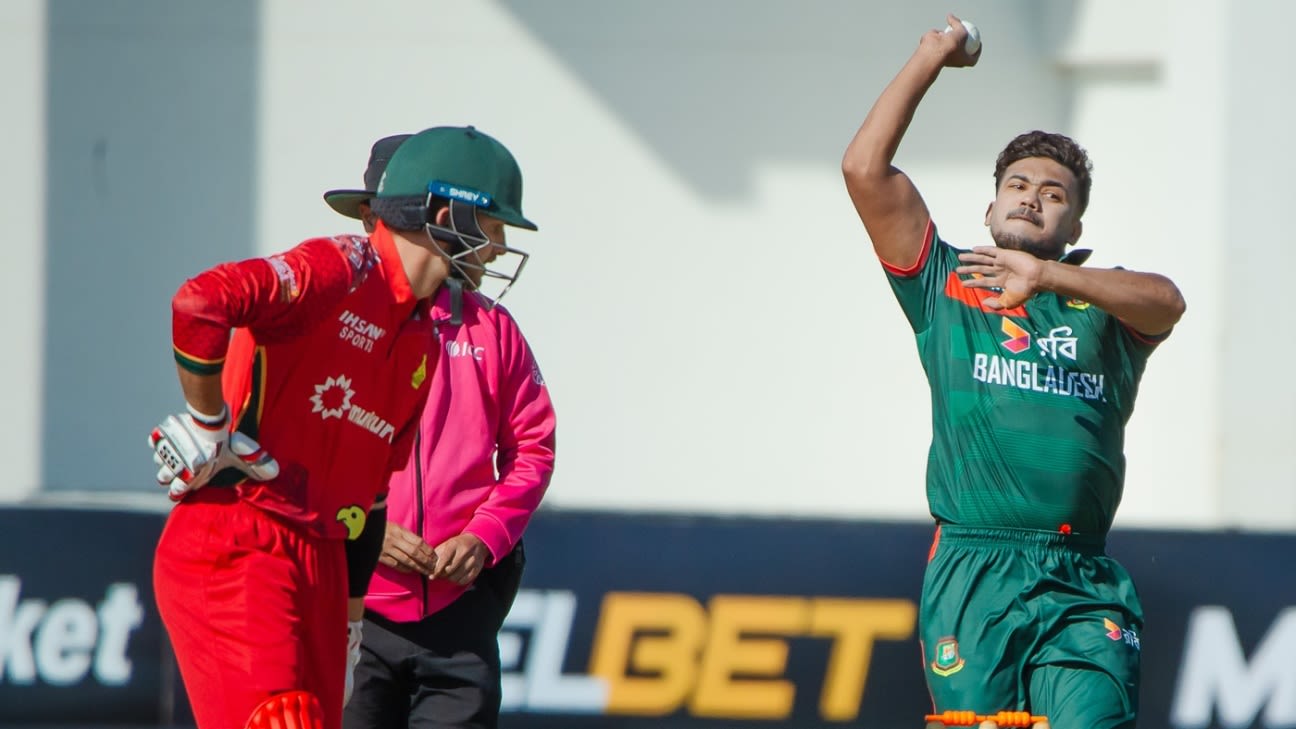
"A target of 270 was definitely chaseable," Taskin reflected. "Unfortunately, we couldn’t build a single partnership. Just one decent partnership would have seen us through. We keep making the same mistakes in our batting. Our bowling has shown a bit more consistency, but as for the batting, I believe our batters should have won this match for us. Unfortunately, they couldn’t. That said, there’s still one game left; we’ll look to fight back strongly so that we can reach the final."
Addressing the broader issue of inconsistency within the batting lineup, Taskin acknowledged that the coaching staff and senior players are actively working to find answers. However, he cautioned that the process must yield results swiftly to avoid inflicting long-term damage on the team’s trajectory and the morale of the country’s passionate cricket fans.
"Our bowling is improving, and our batters have a history of playing strong innings; the issue is consistency," Taskin explained. "I personally believe we need to work on that consistency and our overall game awareness. I’m confident that everyone from the management to the players is putting in the effort. We just need to ensure we address these areas without taking too much time, as dragging the process out could end up hurting the team. The sooner we can address these shortcomings, the better it will be for our team and the country."
While Bangladesh were forced to play without two crucial figures in their lineup—captain Litton Das and experienced allrounder Mehidy Hasan Miraz, who missed the encounter due to a fever—Taskin refused to use their absence as an excuse for the team’s shortcomings. Miraz, in particular, is considered a cornerstone of the side’s ODI configuration, but Taskin maintained that the players who took the field were fully capable of getting the job done. Instead of offering excuses, he praised Zimbabwe for providing a masterclass in how to absorb pressure and construct an innings on a favorable batting surface.
"We missed Miraz due to fever. He is one of our main ODI players. But the rest were quite capable. But we couldn’t do it today," Taskin said. "You saw how the Abu Dhabi pitch played so well on the fifth day of the Test even. It is supposed to be a good batting wicket, so we could have put on partnerships."
Praising the resilience of the opposition, Taskin highlighted how Zimbabwe utilized their experience and deep batting order to dictate terms after a shaky start.
"Zimbabwe made it happen," Taskin added. "They punished the bad balls, while handling the good balls really well. They showed how to get a decent score even though they were under pressure, particularly when playing on a good pitch. Zimbabwe’s current side has been playing together for a long time. They are a compact unit with significant batting depth. They have plenty of allrounders and are undoubtedly playing good cricket. But we aren’t a bad team either."
With the tri-series moving forward rapidly, Bangladesh will look to regroup, correct their structural batting flaws, and secure a vital victory in their upcoming fixture to keep their hopes of reaching the tournament final alive.



Comments (0)