


South Africa will seek to show their heady ascent to the top of the Test cricket pile was no accident as they bid to level the series against Australia in the second Test, starting on Sunday in Gqeberha.
The hosts suffered a comprehensive 214-run defeat to Australia in the first Test that ended in Durban on Tuesday, a setback that left their status as world Test champions looking increasingly fragile.
South Africa secured a dramatic five-wicket victory over Australia to win the World Test Championship last year at Lord’s in London, but their qualification for the final had already prompted intense debate across the cricketing landscape. They had played fewer Tests than traditional powerhouses like England and India and faced what was widely regarded as a significantly easier schedule during the qualifying period. Furthermore, their winning form leading up to the WTC final masked some persistent batting performances, which coach Shukri Conrad acknowledged finally caught up with them against a ruthless Australian bowling attack at Kingsmead, where the reigning champions looked anything but world-beating.
"We’ve been heavily reliant on captain Temba Bavuma and opener Aiden Markram and then the lower order runs," Conrad said after Australia exposed their batting fragility on a pitch that gradually offered more assistance to the bowlers as the match progressed.
The heavy defeat has forced the team management into a re-evaluation of their lineup. Several changes are expected for the second Test at St George’s Park, where Matthew Breetzke is set to be given a renewed chance to open the innings alongside Markram. Ryan Rickelton is primed to take over the wicketkeeping duties from Kyle Verreynne while simultaneously moving down the middle order to bring greater stability. Meanwhile, Tristan Stubbs, who batted at number five during the opening encounter in Durban, has been omitted from the side, a decision that could open the door for Marques Ackerman to make his long-awaited Test debut.
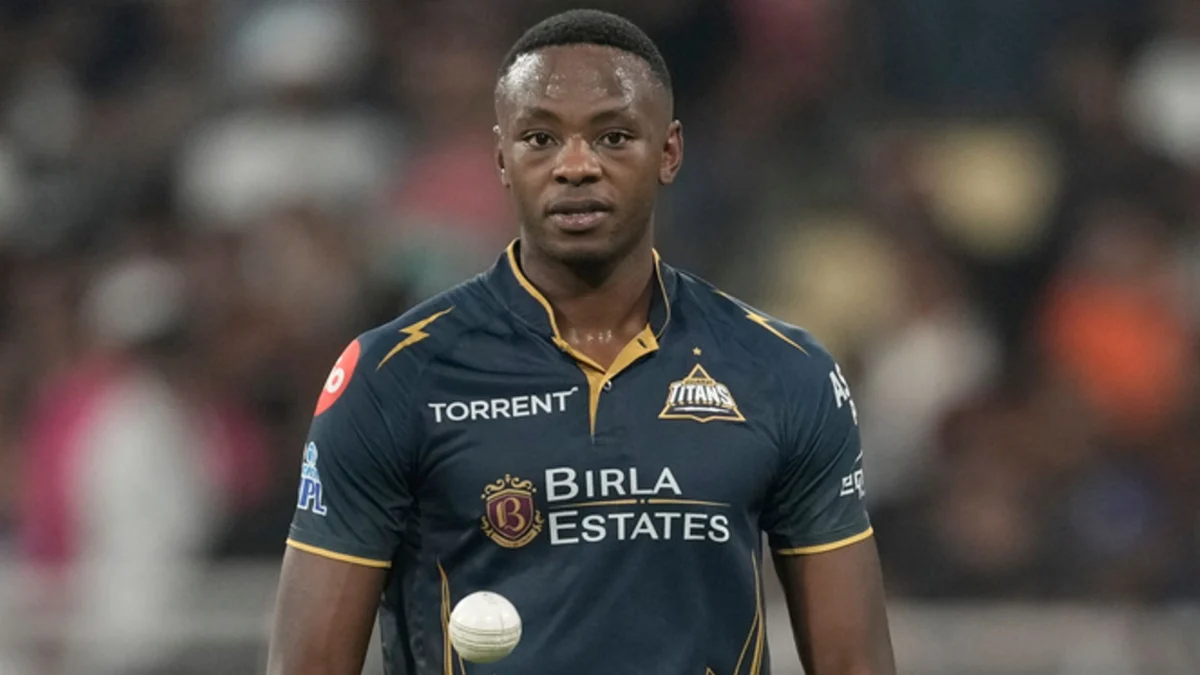
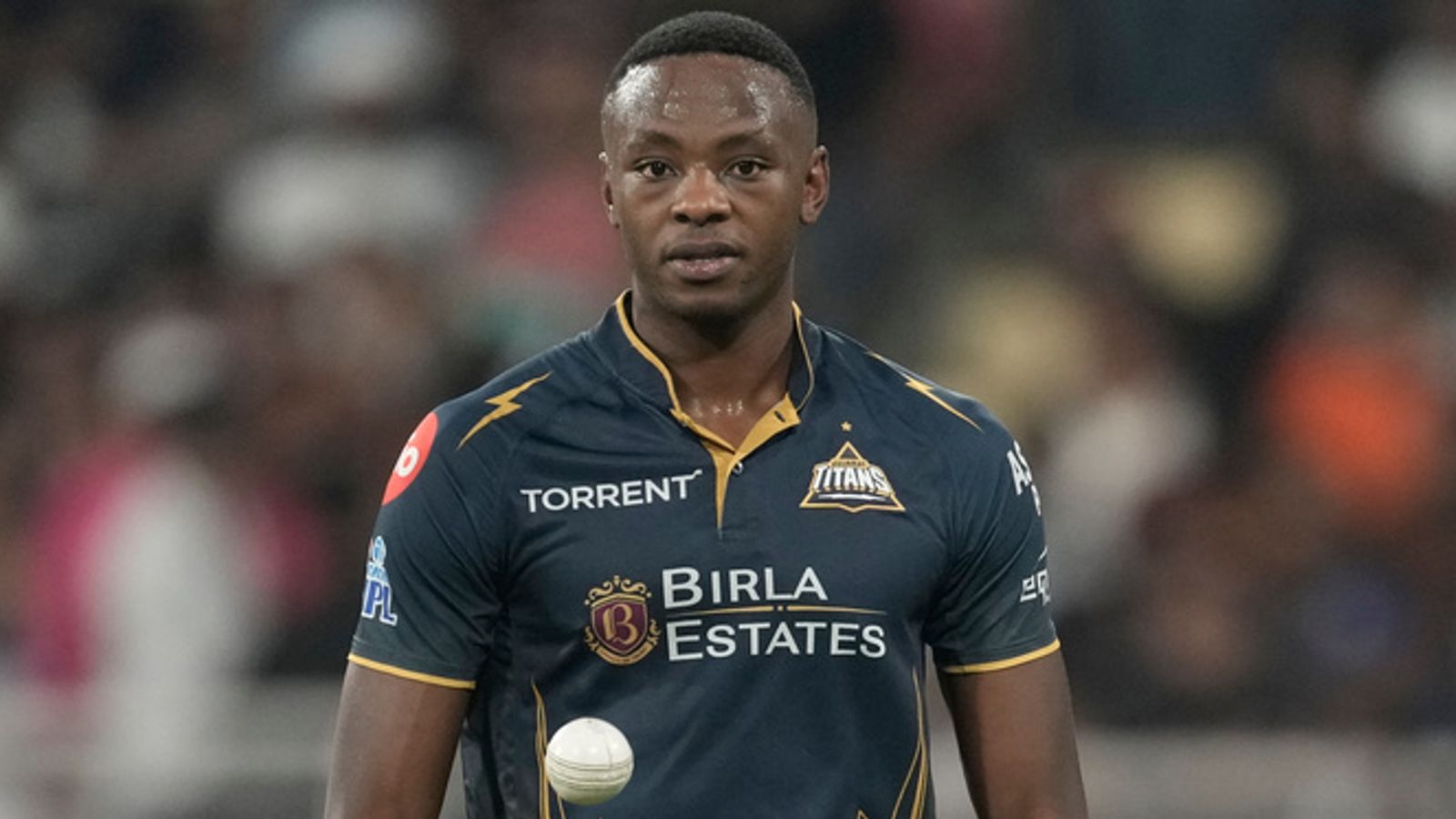
In the bowling department, South Africa will welcome back veteran paceman Kagiso Rabada for his first competitive outing since the Indian Premier League concluded in May. His return places considerable expectation on his shoulders despite his lengthy absence from the international red-ball arena. To accommodate Rabada’s return to the starting XI, the hosts are expected to drop one of their frontline spinners as they look to unleash a fierce pace attack under potentially overcast southern skies.
Australia’s selection, by contrast, is keenly anticipated for different reasons. With Cameron Green’s return from injury likely delayed, visiting selectors might well resist the temptation to make any changes following such an emphatic victory in the series opener. One potential tactical alteration, however, is the introduction of relentless seam bowler Scott Boland into the starting attack. Australia’s coaching staff are closely monitoring the workloads of Pat Cummins, Josh Hazlewood, and Mitchell Starc after all three frontline quicks were forced to bowl at least 29 overs apiece in a taxing first Test.
The weather could also play a decisive role in the outcome of the match. Persistent rain and damp conditions are currently forecast for Gqeberha, particularly on the opening two days, raising the distinct prospect of significant weather delays or a shortened contest at the historic St George’s Park venue.
Ahead of the clash, potential lineups have emerged from both camps. South Africa’s possible XI features Aiden Markram, Matthew Breetzke, David Bedingham, Temba Bavuma, Marques Ackerman, Ryan Rickelton, Wiaan Mulder, Marco Jansen, Keshav Maharaj, Kagiso Rabada, and Gerald Coetzee. Australia’s possible XI includes Travis Head, Nic Maddinson, Marnus Labuschagne, Steve Smith, Matthew Renshaw, Alex Carey, Beau Webster, Pat Cummins, Mitch Starc, Nathan Lyon, and Josh Hazlewood.
Hazlewood says reverse swing may be a factor
Australia fast bowler Josh Hazlewood predicts that reverse swing may prove to be the defining factor in the outcome of the three-Test series, noting that abrasive pitches in South Africa are helping to revive a fading art in modern international cricket.
The art of reverse swing has steadily faded from the Test arena in recent years, with greener wickets and lusher outfields across many parts of the world keeping the ball newer for longer and far less likely to rough up in a way that generates lateral movement late in an innings.
"The ball still looks new late in the innings if it gets that far," said Hazlewood, reflecting on the conditions typically encountered back home in Australia. However, he admitted it is an entirely different story when touring overseas, particularly in South Africa.
"It’s abrasive wickets. It’s very hard underfoot," he explained. "We probably got a hint of swing in the first innings and then as the game goes on, it just deteriorates more and you get a bit more. So we knew it was crucial."
Hazlewood spoke from firsthand experience, having returned career-best figures of 6-49 during the final innings in Durban to seal Australia’s comprehensive triumph.
"If the wicket is hard, firm, deteriorating and not much seam movement, you’re probably going to get that reverse swing," Hazlewood told a pitch-side press conference on Friday as Australia put the final touches on their preparations. "You probably want the ball a bit harder and a little bit of reverse swing rather than a lot of reverse swing and the ball’s soft. That’s much easier to navigate as a batsman."
Now 35 years old, Hazlewood produced his masterclass performance in Durban after missing all of last season’s high-profile Ashes series through injury, underlining his enduring value to the Australian bowling unit.
"I just play every Test match that comes," he said of his longevity in the sport. "Could be your last one whenever. I don’t think about it much. I think you know it was great fun last week playing with the same guys. Doing the work in the last innings and taking the 20 wickets for the game on what was a pretty flat wicket for the majority. I don’t look too far ahead these days."

Comments (0)